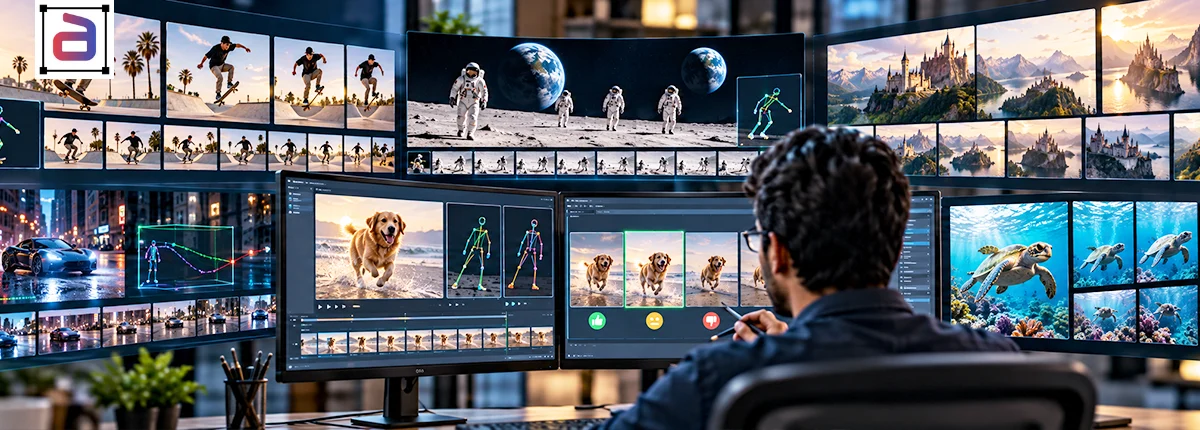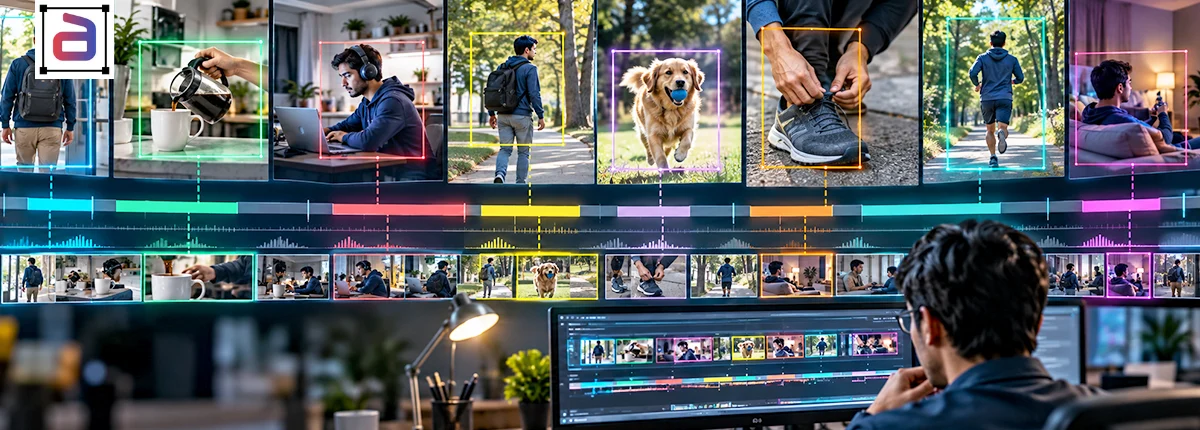

High-quality image datasets sourced, sorted, and structured for annotation — across products, medical, satellite, retail, industrial, and custom domains at scale.
Image data collection is the foundation of every computer vision model. Annotera sources still image across the full spectrum of domains — product photography, medical scans, satellite imagery, retail shelf photos, industrial inspection images, biometric captures, and more — and delivers them pre-sorted, structured, and ready for annotation. Every image dataset is scoped against your labeling taxonomy before sourcing begins, so what arrives at the annotation team is already organized for bounding box, polygon, segmentation, key point, or classification work.
Our global delivery model, 350+-person specialist team, and two decades of BPO experience give Annotera the capacity to source image datasets at the volume, diversity, and quality that AI teams need — across healthcare, autonomous vehicles, retail, agriculture, manufacturing, and beyond. With ISO 27001-aligned security, HIPAA-aware medical handling, and GDPR-compliant processing built in from the start, Annotera delivers image datasets your team can label and ship with confidence.
Annotera’s image data collection services cover every still-image category that computer vision and AI teams need — each sourced, pre-sorted, and structured for the specific annotation task it will feed.
Product photography, catalogue images, and multi angle SKU shots sourced at global scale for e commerce AI, visual search, retail shelf infrastructure.
X-rays, CT scans, MRI images, and pathology slides captured under strict HIPAA aware handling for diagnostic AI and clinical decision support programs.
Shelf level and overhead retail images capturing product placement, facing, and stock availability for planogram compliance and analytics platforms.
Equipment, components, and assembly line still images captured from busy factory floors for defect detection and quality control inspection workflows.
Controlled and in the wild face images, iris captures, and biometric stills captured under strict consent for identity verification and documentation.
Scanned documents, ID cards, forms, receipts, and handwritten content captured across many formats and languages for OCR model development pipelines.
Field, crop, and environmental photography captured from ground sensors, drones, and satellites for crop disease detection AI training capabilities.
Image datasets frequently contain identifiable individuals, medical records, and sensitive personal data. Every Annotera image collection engagement includes consent management, de-identification, and the compliance framework your domain requires.


Still images power more AI models than any other modality. Annotera delivers image datasets tailored to the domain, compliance requirements, and annotation taxonomy of each industry — from first training sets to high-volume continuous pipelines.
Every Annotera image data collection engagement follows a structured four-stage workflow — ensuring images arrive at the annotation team already sorted by class, validated for quality, and formatted for the labeling task.
We define image categories, resolution requirements, lighting and angle specifications, consent and compliance terms, and the annotation taxonomy the dataset will feed.
Our specialists source images through controlled photography, licensed data partners, public domain repositories, or direct capture — matched to the domain and annotation task.
Every image is reviewed for resolution, framing, class distribution, duplicate removal, and compliance before handoff — quality issues caught here, not at the labeling stage.
Images delivered pre-sorted by class, formatted for your annotation platform, and ready to label — with the option to scale volume, add categories, or expand domains as your model grows.
Exocentric collection requires precise control over camera placement, field of view, environmental conditions, and scene diversity. Annotera’s features are built around these demands — not generic video sourcing workflows.

Image collection methods matched to the domain, studio photography for product AI, licensed satellite platforms for geospatial AI, clinical capture for medical facilities always.

Consent management for human subjects, facial de identification where required, licensing verification for third party sources, and full legal documentation and safety measures.

Sourced images route directly into Annotera's annotation team for bounding box, polygon, segmentation, key point, or classification labeling with zero handoff gaps or delays ever.
We deliver secure, scalable, and cost-effective image data collection services. Computer vision and AI teams trust us to source the training images their models need — at the right resolution, class balance, and compliance standard.

20+ years of BPO delivery experience across products, medical, satellite, retail, and industrial image sourcing, backed by a proven global operation and strict protocols worldwide.

Cost effective image sourcing that maintains consistently high quality, so teams can build robust computer vision datasets without overextending budgets on licensing costs today.

ISO 27001 aligned and SOC compliant processes protect image datasets at every stage, with strict access controls, encrypted transfer, and secure long term storage protocols always.

Every single image dataset is reviewed for resolution, class balance, duplicate removal, and annotation readiness before handoff, guaranteeing consistent usable results always.

350+ trained specialists and a global delivery network support image collection at any volume, scaling from a small pilot to a continuous multi domain global delivery pipeline today.
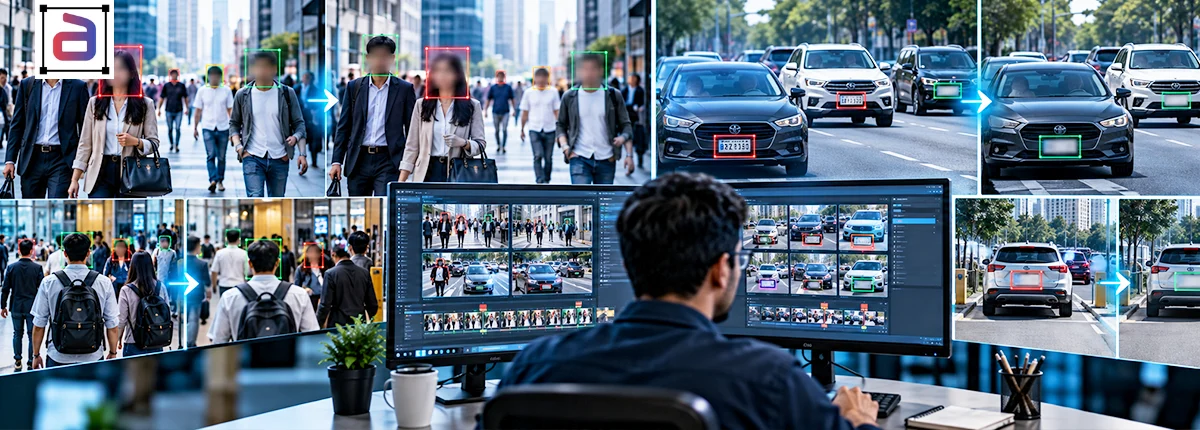
Here are answers to common questions about image data collection, sourcing methods, compliance, and how still image datasets fit into computer vision and AI training pipelines.
AI image data collection is the process of sourcing and capturing still images — product photos, medical scans, satellite images, retail shelf photos, industrial inspection images, and more — that computer vision models are trained on. It happens before annotation and determines whether a model has enough of the right images, across the right categories and conditions, to perform accurately in production.
A model can only recognize what it has seen in training. If the sourced images are low-resolution, poorly distributed across classes, or missing key edge cases, the model will underperform regardless of how well the annotation is done. Annotera plans image sourcing around your model’s annotation taxonomy from the start — ensuring the right images exist before a single label is applied.
Annotera collects product and e-commerce images, medical and radiology images, satellite and aerial images, retail shelf images, industrial and manufacturing images, face and biometric stills, document and ID images, and agricultural and environmental images. Each domain uses sourcing methods matched to its specific resolution, consent, and compliance requirements.
Medical image collection follows HIPAA-aware handling protocols — including subject consent, PHI de-identification, audit-trail documentation, and restricted-access data transfer. Radiology images, pathology slides, and clinical photography are handled under the same compliance framework as our broader healthcare data collection service.
Yes. Class distribution planning is built into every image collection engagement. We work from your annotation taxonomy to ensure the dataset covers all required categories, lighting conditions, angles, and edge cases — avoiding the majority-class bias that occurs when images are sourced without a structured distribution plan.
Yes. Images are pre-sorted by class and formatted against your labeling taxonomy before delivery, then routed directly into Annotera’s annotation team for bounding box, polygon, segmentation, keypoint, or classification labeling. There is no handoff gap between sourcing and labeling — one partner handles both.
Licensed stock images are pre-existing photographs sourced from libraries, which may not match the specific categories, angles, resolution, or consent requirements your model needs. Collected images are purpose-sourced for your training taxonomy — capturing exactly the objects, environments, and conditions your annotation plan requires, with full rights documentation and consent management included.