Label first-person (egocentric) video with object affordances, hand and gripper position, and before/after scene state to train robot foundation models that scale.
Egocentric — first-person — video is becoming one of the highest-demand data types in robotics. Recent research has shown that robot policy performance scales predictably with the size of egocentric pretraining data, the first strong evidence that embodied models improve on the same data-driven curves that defined large language models. To unlock that scaling, the video has to be labeled with the right physical-world structure.
Annotera annotates first-person robot and human POV footage with object affordances, hand and gripper position, spatial relationships, and scene state before and after each action. This is a distinct modality from third-person surveillance or autonomous-vehicle video, and our annotators are trained specifically for the spatial and interaction semantics that egocentric data requires. With 20+ years of outsourcing expertise and 350+ trained specialists, we deliver egocentric annotation at the scale humanoid and manipulation programs now need.
As wearable capture rigs and humanoid robots generate more first-person footage every month, the teams that label it well will train the strongest embodied models. Annotera helps you turn that footage into a reliable pretraining advantage.
Egocentric — first-person — video is becoming one of the highest-demand data types in robotics.
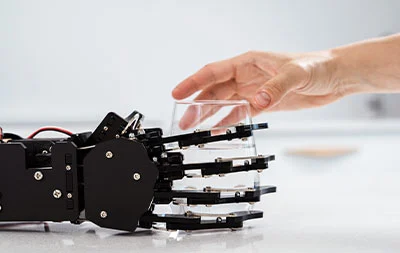
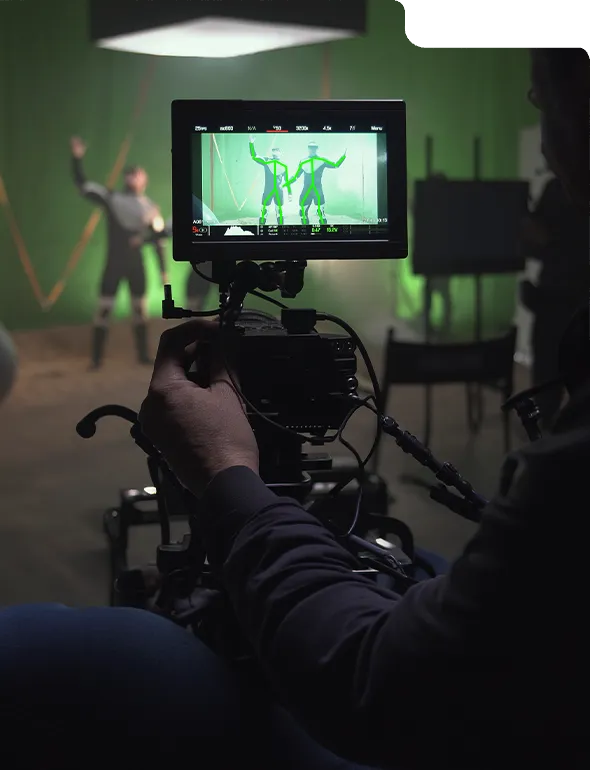
Hand or gripper position and pose are tracked frame by frame through the first-person view. As a result, models learn the geometry of manipulation from the actor’s perspective.
The state of the scene is labeled before and after each action. In addition, this captures the cause-and-effect structure that embodied models depend on.
Relationships such as on, in, behind, and near are annotated between objects and the actor. Consequently, models build a grounded spatial understanding of the environment.
First-person footage is segmented into discrete actions and interactions. Moreover, this supports long-horizon and multi-step task learning.
Where available, gaze or attention focus is labeled to indicate task-relevant regions. As a result, models learn what matters in a cluttered scene.
Egocentric — first-person — video is becoming one of the highest-demand data types in robotics. Recent research has shown that robot policy performance scales predictably with the size of egocentric pretraining data, the first strong evidence that embodied models improve on the same data-driven curves that defined large language models.

Specialists trained in first-person spatial reasoning label affordances and interactions accurately from the actor’s viewpoint.

A taxonomy built around affordances, scene state, and causality — not generic object detection — produces data suited to embodied pretraining.

SOC-compliant workflows and flexible capacity scale egocentric annotation to the volumes humanoid and manipulation programs require.
Egocentric — first-person — video is becoming one of the highest-demand data types in robotics. Recent research has shown that robot policy performance scales predictably with the size of egocentric pretraining data, the first strong evidence that embodied models improve on the same data-driven curves that defined large language models.

20+ years of BPO experience applied to a fast-emerging robotics data modality.

Trained for egocentric data specifically, not repurposed from surveillance or AV labeling.

Labels capture action possibilities and scene change, the signals embodied models learn from.

Capacity grows with your capture program, from pilot to production.

Multi-layer validation keeps labels consistent across large egocentric datasets.

SOC-compliant handling with strict access controls and US onshore options.
Here are answers to common questions about text annotation, accuracy, and outsourcing to help businesses scale their NLP projects effectively.
It is the labeling of first-person (point-of-view) footage with object affordances, hand or gripper position, spatial relationships, and scene state before and after actions. As a result, embodied AI models can learn manipulation and interaction from the actor’s own perspective.
Research has shown that robot policy performance scales predictably with the amount of egocentric pretraining data — the same data-driven improvement seen in large language models. Therefore, well-labeled first-person video is becoming one of the highest-value inputs for embodied foundation models.
Standard video annotation usually labels objects from a fixed, third-person view. Egocentric annotation, however, works from a moving first-person perspective and focuses on affordances, hand/gripper geometry, and scene change, which require specialized spatial reasoning.
It supports humanoid robots, manipulation policies, wearable-capture pretraining, and any embodied system that perceives the world from its own viewpoint. Moreover, Annotera adapts the label set to each program’s model design.
Yes. With 350+ trained annotators and SOC-compliant, scalable delivery, we label high volumes of first-person footage while maintaining consistency and data security.