
From Sirens to Silences: Tagging the Audio World

Audio event tagging becomes difficult long before the first label is applied. The real challenge is deciding what the labels mean. Should a siren be labeled simply as siren, or should the taxonomy distinguish emergency vehicle sirens, alarms, and other warning sounds? If speech and traffic occur at the same time, should both receive labels? […]
Event Tagging for Predictive Maintenance In Factories
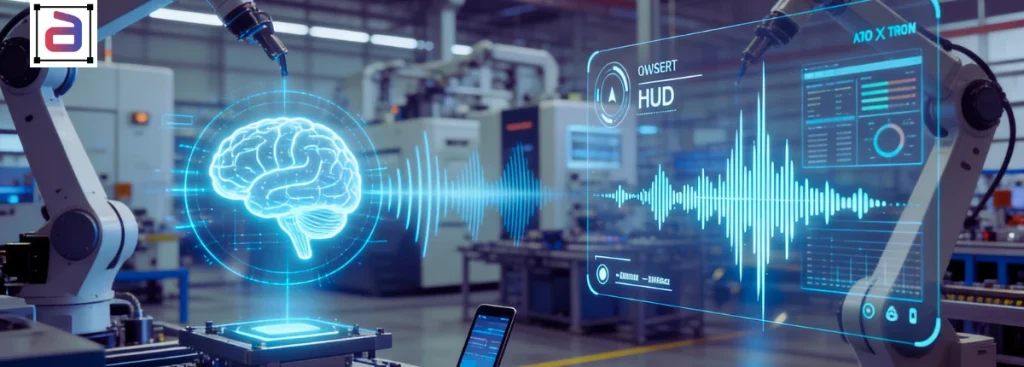
Unplanned downtime remains one of the most expensive risks in manufacturing operations. A single unexpected machine failure can halt production lines, disrupt supply chains, and cost millions in lost output within hours. Audio event labeling enables AI systems to detect subtle acoustic anomalies that indicate equipment degradation well before catastrophic failure. Table of Contents
The Quality Guardrail: Why Native Speakers Are Non-Negotiable in Audio Annotation
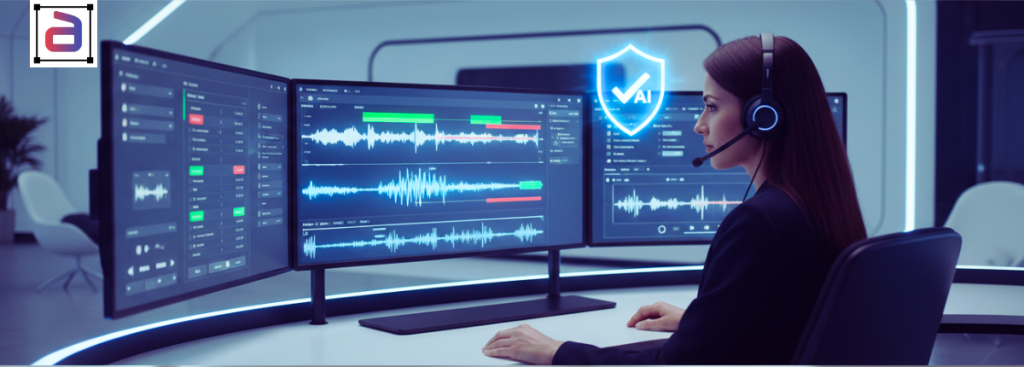
In AI training pipelines that rely on native speaker audio annotation, especially those supporting voice-enabled and multilingual systems, “good enough” data is not a compromise—it is a liability. As an operations director, you are responsible for maintaining a careful balance between throughput, cost control, and data integrity. When scaling multilingual voice systems, many organizations are […]
Recognizing Acoustic Events for Real-Time Safety
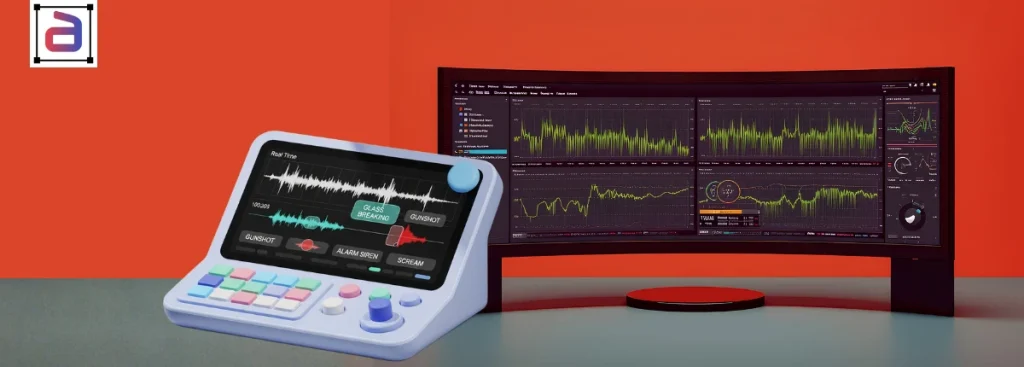
Modern safety operations demand speed. In high-risk environments, seconds often determine outcomes. Audio event tagging enables AI systems to detect and classify critical acoustic events—such as gunshots, glass breaking, or human distress—in real time, dramatically reducing response latency. Table of Contents
Solving the Dialect Gap: Advancing ASR Robustness through Regional Audio Annotation

Automatic Speech Recognition systems have reached impressive accuracy on standardized benchmarks. Yet for speech scientists and AI researchers, a stubborn problem persists: disproportionate spikes in Word Error Rate among regional- and dialect-speaking populations. Standard-language bias in training data is the root cause, and more data alone does not fix it. The fix is structural. Targeted […]
Smart City Audio Tagging: Scaling Sound Recognition For Security Networks

As cities grow denser and more complex, public safety increasingly depends on intelligence that extends beyond cameras and manual reporting. Smart city audio tagging enables large-scale sound recognition systems that support emergency response, traffic coordination, and situational awareness across urban environments. Table of Contents
Making Voice Tech Reliable With Voice Intent Labeling: Solving the “I Didn’t Get That” Problem

Voice technology promises frictionless interaction. At the heart of reliable voice experiences is voice intent labeling, which determines whether systems understand users correctly the first time. Yet nothing undermines user trust faster than a device that repeatedly responds with, “I’m sorry, I didn’t understand that.” For product owners, this is more than a usability issue—it’s […]
Voice AI for the Road: Cutting Through Cabin Noise with Automotive Voice AI Labeling

Voice AI is rapidly becoming a core interface inside vehicles. Drivers rely on voice interactions for navigation, infotainment, hands-free calling, and climate control. At the center of reliable in-car experiences is automotive voice AI labeling — enabling systems to understand driver intent in noisy, unpredictable environments. Audio annotation is central to this process. Precise transcription, […]
Breaking Language Barriers With Multilingual Audio Annotation

Voice is becoming the most natural way humans interact with technology. From customer support and virtual assistants to in-car systems and healthcare documentation, speech AI is growing rapidly. However, one major barrier remains: language diversity. With over 7,000 spoken languages worldwide, building effective voice AI requires high-quality multilingual audio annotation. Learn more about scaling RLHF […]
Beyond Phonetics: Capturing Accents and Regional Dialects in AI

As voice-driven AI systems become embedded in everyday life—from customer support chatbots to virtual assistants and smart devices—accuracy alone is no longer enough. Enterprises now face a more complex challenge: ensuring that AI systems understand everyone, regardless of accent or regional dialect. At Annotera, we believe that building inclusive and high-performing AI requires going beyond […]