Cross-Modal Data for AI That Perceives It All

Synchronized, paired datasets collected across vision, language, audio, and sensor modalities structured for the cross-modal training generative AI and foundation models require.

Multimodal Data Collection Services for Generative AI, Virtual Assistants, and Cross-Modal Model Training

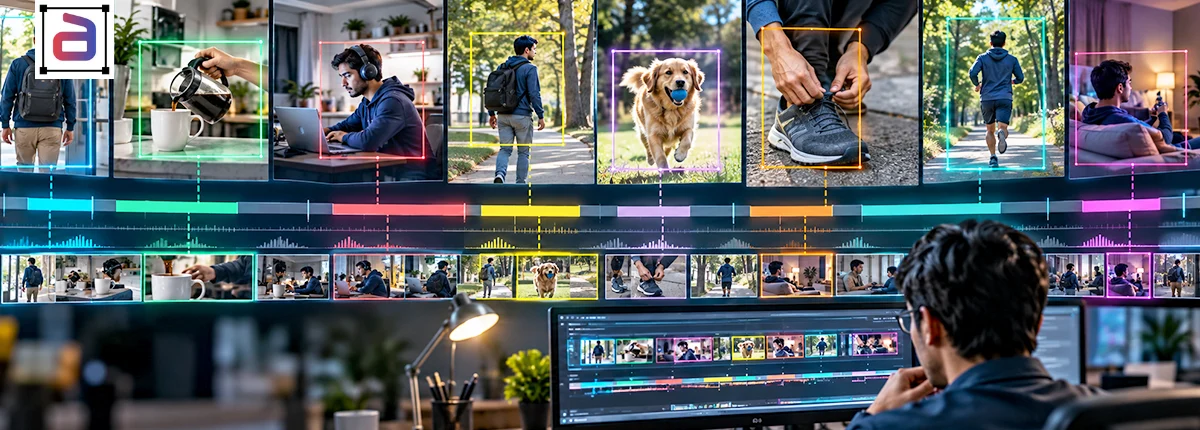
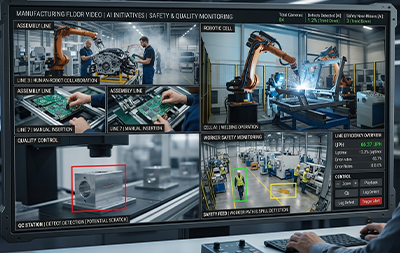
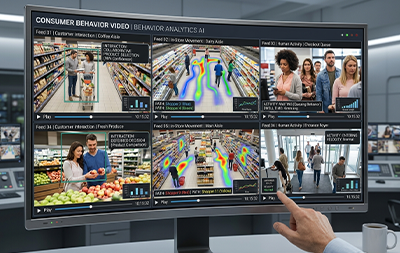
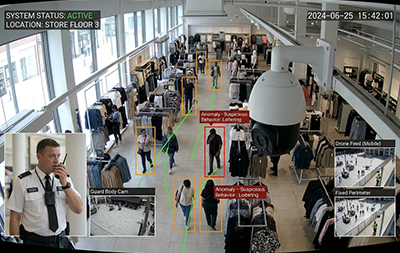
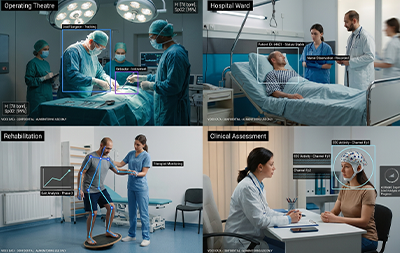
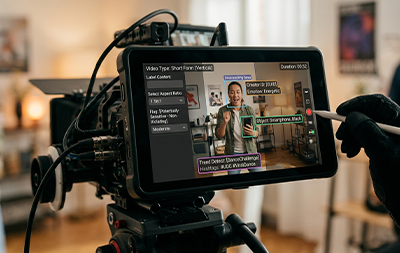
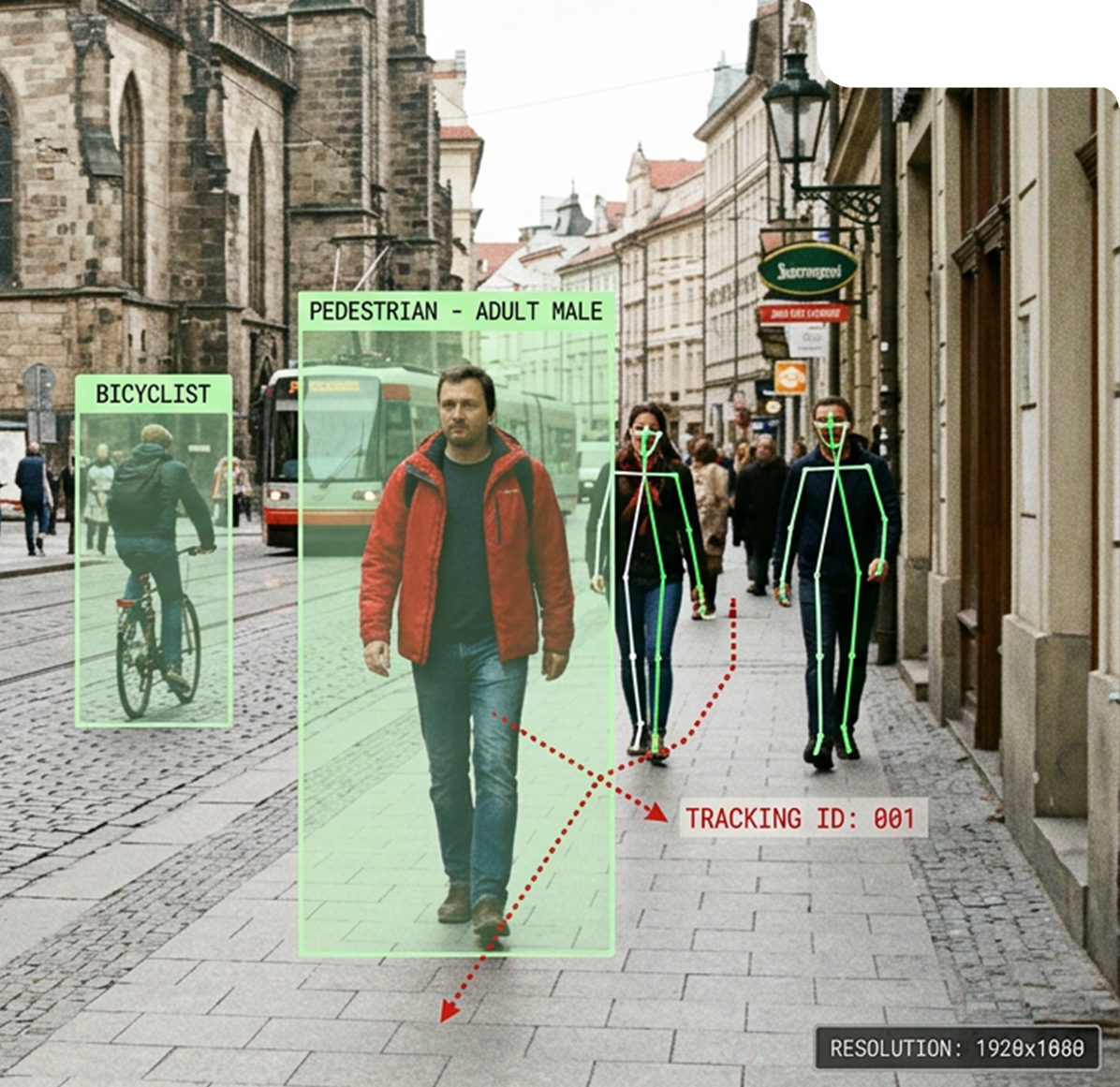
Multimodal data collection sources paired, synchronized datasets across two or more modalities video and audio, image and text, speech and gesture, sensor and video giving AI models the cross-modal context they need to perceive, reason, and act across the full richness of the real world. Single-modality datasets train models to see or hear or read. Multimodal datasets train models to understand how what they see relates to what they hear and what it means in text.

Annotera designs multimodal collection protocols around the cross-modal alignment your model requires before sourcing begins ensuring every modality is captured in synchronization, at the right fidelity, and structured for joint annotation. With 20-plus years of BPO experience, a 350-plus-person delivery team, and expertise across video, audio, image, text, and sensor collection, Annotera delivers compliant, scalable, annotation-ready multimodal datasets for generative AI, virtual assistants, robotics, autonomous vehicles, AR/VR, healthcare, and beyond.

Services We ProvideComprehensive Multimodal Data Collection Services Across Every Modality Pairing

Annotera’s multimodal data collection services cover every cross-modal pairing that generative AI and foundation model teams need, each synchronized at capture and structured for the joint annotation task it feeds.

Video-Audio Collection

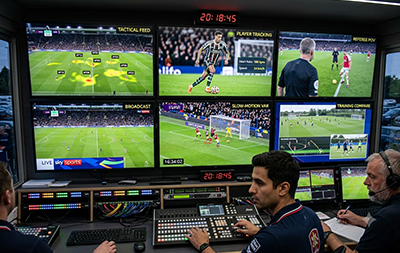
Synchronized video and audio captured together at once, from same live scene for speech recognition, lip syncing, and video understanding AI model now.

Image-Text Collection

Still images are paired with captions, alt text, and contextual metadata for image captioning, visual question answering, and vision language training.

Speech-Gesture Collection

Synchronized voice, body language, and facial expression recordings for human robot interaction, sign language AI, and multimodal sentiment models.

AR/VR Interaction Logs

Complete AR/VR interaction sessions with gaze, hand tracking, voice commands, and full spatial context for immersive AI and computing training today.

Video-Sensor Collection

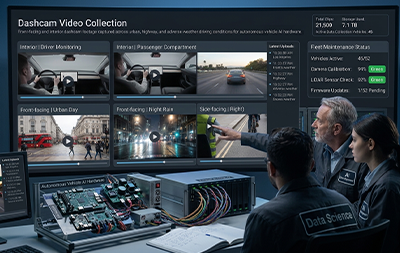
Video streams paired with synchronized LiDAR, radar, GPS, and IMU sensor data for autonomous vehicle perception, robotics, and industrial AI uses now.

Document-Image Collection

Scanned documents, forms, and mixed layout content pairing text with visual elements for document AI, OCR, and intelligent document processing today.

Audio-Text Collection

Speech recordings paired with transcripts or semantic annotations for speech to text, spoken language understanding, and cross lingual AI systems so.

Multi-Sensor Fusion

Synchronized streams from three or more sensors cameras, LiDAR, radar, and thermal cameras for sensor fusion and autonomous AI systems training today.

Security & ComplianceEnterprise-Grade Data Security and Regulatory Compliance

Multimodal datasets combine the compliance requirements of every modality they include video consent, audio PII, image de-identification, and text rights management all apply simultaneously. Every Annotera multimodal engagement handles each modality’s compliance layer as a single coordinated program.

Industries Cross-Modal Data Built for Every Industry You Serve

The most powerful AI systems perceive the world across multiple modalities at once. Annotera delivers multimodal datasets tailored to the cross-modal alignment requirements, compliance framework, and annotation taxonomy of each industry.

OUR PROCESSFrom Cross-Modal Brief to Synchronized, Annotation-Ready Dataset

Every Annotera multimodal data collection engagement follows a structured four-stage workflow ensuring every modality is captured in synchronization, validated for alignment, and structured for joint annotation before handoff.

Scope & Define

We define modality pairings, synchronization requirements, capture equipment, alignment tolerances, per-modality consent terms, and the joint annotation taxonomy before collection.

Collect & Synchronize

Our specialists deploy the right capture setup for each pairing, so video, audio, sensor, text, and gesture streams are recorded simultaneously and time-stamped for alignment.

Align & QA

Every modality pair is validated for sync accuracy, per-modality quality, cross-modal alignment, and compliance, with misaligned or degraded streams flagged and re-captured.

Delivery & Scale
Aligned multimodal datasets are delivered in the structure your annotation platform requires, with the option to scale volume, add pairings, or extend to new environments.

FeaturesMultimodal Data Collection Capabilities Built for Generative AI and Foundation Models

Multimodal collection is more demanding than single-modality sourcing. Synchronization failures, alignment drift, and per-modality quality gaps weaken any dataset. Annotera’s features are built to remove these failure points.

Cross-Modal Synchronization Expertise

Capture setups record all modalities simultaneously with sub-frame timestamp alignment, so video, audio, sensor, text, and gesture data arrive already aligned for joint labeling.

Unified Compliance Management

A single compliance framework covers consent, de-identification, rights, and privacy across every modality, so consent and de-identification stay coordinated every single time.

Collection-to-Annotation Pipeline

Collected multimodal datasets route directly into Annotera’s annotation team for joint labeling and alignment tagging within the same engagement, with no handoff gap efficiently.

Why Choose UsSix Reasons Generative AI Teams Choose Annotera for Multimodal Data Collection

We deliver secure, scalable, and cost-effective multimodal data collection. Generative AI, robotics, and foundation model teams trust us to source the synchronized, cross-modal data their models need, aligned and annotation-ready.

Industry Expertise

Annotera’s expertise spans video, audio, image, text, and sensor collection, giving us the experience to execute programs that single-modality specialists cannot deliver at once.

Affordable Pricing

Cost-effective multimodal sourcing maintains synchronization quality and fidelity, so teams can build robust pipelines without managing multiple specialized vendors and costs.

Secure Workflows

ISO 27001-aligned and SOC-compliant processes protect all modalities at once, with unified consent management, encryption, and secure storage built into every modality pair soon.

Custom Solutions

Modality pairings, synchronization tolerances, capture environments, and compliance frameworks tailored to your annotation taxonomy, not a standard pair used for every project.

Scalable Unified Workforce

350-plus trained specialists manage video, audio, image, text, and sensor collection under one program, scaling from a pilot to a continuous multi-modality production completely.
Connect with an Expert

    Frequently Asked QuestionsGot Questions? We’ve Got Answers for You

    Here are answers to common questions about multimodal data collection, synchronization, modality pairings, compliance, and how cross-modal datasets fit into AI training.

    Multimodal data collection sources paired or synchronized data across two or more modalities video and audio, image and text, speech and gesture, sensor and video captured simultaneously so the relationships between them can be learned by AI models. It gives generative AI, virtual assistants, and foundation models the cross-modal context they need to perceive and reason across vision, language, and sound together.

    Independently collected single-modality datasets are not temporally synchronized and do not share the same scene, speaker, or context. A video of one environment paired with audio of another does not teach a model how vision and sound relate it teaches it noise. Genuine multimodal understanding requires data captured from the same scene at the same moment, which is why Annotera designs collection setups for simultaneous multi-stream capture, not post-hoc pairing.

    Annotera supports video and audio, image and text, speech and gesture, AR/VR full interaction logs, video and sensor synchronized streams, document and image pairs, audio and text aligned datasets, and multi-sensor fusion across three or more simultaneous inputs. Custom pairings are scoped during the collection brief for programs with non-standard cross-modal requirements.

    Synchronization is designed at the capture stage, not corrected in post-processing. Every multi-stream capture setup uses shared timestamps across all recording devices, and every pair is validated during QA for synchronization accuracy before delivery. Misaligned or drifted streams are flagged and re-captured not delivered and left for the annotation team to deal with.

    Annotera manages a unified compliance framework across all modalities in a collection program video consent, audio PII, image de-identification, and text rights management are handled as one coordinated program rather than separate workstreams. HIPAA-aware handling applies to any medical modality in the pair, GDPR-compliant processing applies to EU data subjects across all streams, and ISO 27001-aligned security protects the full dataset.

    Yes. Paired and synchronized datasets are delivered in the joint file structure your annotation platform expects, then routed directly into Annotera’s annotation team for joint labeling, cross-modal alignment tagging, and per-modality annotation within the same engagement. One partner handles collection and annotation no handoff gap.

    Generative AI and foundation models (GPT-4V, Gemini, Flamingo) are the largest consumers, requiring image and text and video and audio at scale. Robotics programs need video, sensor, and IMU pairs for imitation learning. AR/VR teams need full interaction logs. Autonomous vehicles need video, LiDAR, and radar fusion. Virtual assistants need speech, text, and gesture. Any AI that must understand the world across more than one channel needs multimodal data.

    Our BlogsTransformative AI
    Solutions in action

    Get A Quote