
Medical Transcription for AI: Handling Complex Jargon in Healthcare Data

Healthcare AI systems live and die by data quality. Yet medical audio is one of the hardest data types to transcribe accurately. Rapid speech, heavy jargon, abbreviations, accents, and context-sensitive terminology all collide in clinical conversations. Medical audio transcription transforms clinician dictations and healthcare recordings into precise, structured text, serving as foundational training data for AI systems […]
Why Native Linguists Are Essential For Scalable Global Transcription
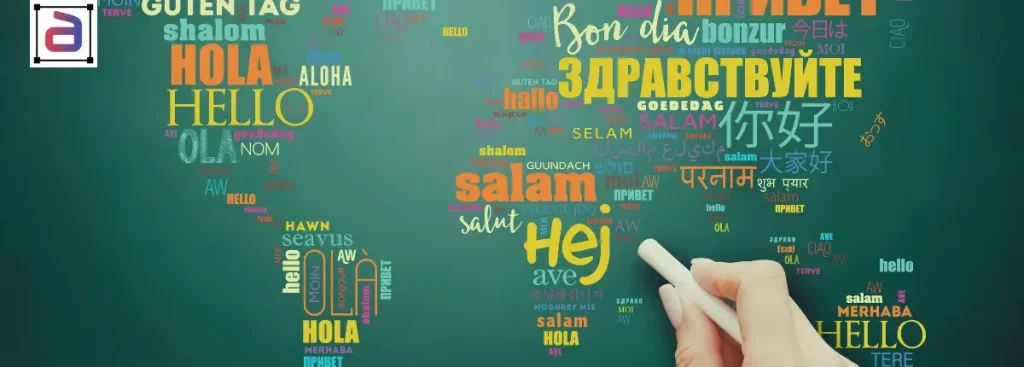
As enterprises expand across regions, languages become part of their operational infrastructure. Customer conversations, compliance recordings, meetings, and voice data now arrive in dozens of languages, accents, and dialects. For multinational organizations, global audio transcription is no longer a back-office task. It is a strategic capability that directly affects accuracy, brand trust, regulatory compliance, and […]
Strategies to Reduce Word Error Rate (WER) in Speech Recognition Systems

Word Error Rate (WER) is one of the most cited metrics in speech recognition—and one of the most misunderstood. Data science teams often focus on improving models, tuning hyperparameters, or adding more data, yet WER stubbornly refuses to drop. In reality, WER is often less a modeling problem and more a data and transcription problem. […]
Noise Labeling for Voice AI: How to Build a Production-Ready Taxonomy

A voice AI system may perform well on clean evaluation audio and still struggle in a moving vehicle, drive-thru lane, factory, street, or crowded room. The problem is not simply that these environments are “noisy.” It is that the acoustic conditions in production may differ from the conditions represented during training and evaluation. That makes […]
Audio Cleaning and Pre-Annotation: Scaling Audio AI Without Breaking the Pipeline

For Data Ops teams, the biggest challenge in audio AI is no longer model complexity — it’s scale. Manually cleaning and preparing 10,000+ hours of noisy audio is operationally unsustainable. Audio noise reduction training improves model robustness by exposing systems to labeled background disturbances. Structured audio annotation helps algorithms distinguish speech from noise, enhancing transcription […]
Improving Speech Clarity in Noisy Environments with Audio Noise Tagging

Voice-enabled hardware is shrinking. Expectations, however, are growing.From wearables and automotive systems to smart kiosks and industrial devices, modern hardware must deliver clear speech recognition in environments filled with interference. For hardware designers, this creates a hard constraint: microphones have physical limits.This is where audio noise tagging becomes a critical enabler of software-defined clarity. Even […]
Noise Labeling for Industrial Safety and Alarms: Teaching AI to Hear What Actually Matters
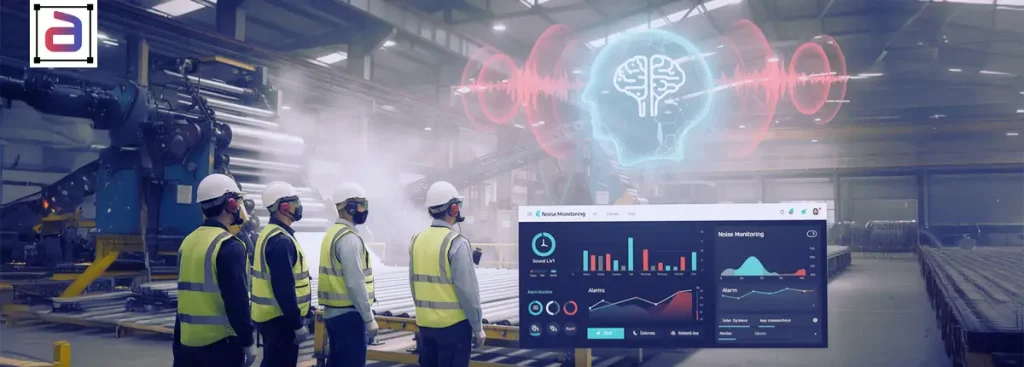
In industrial environments, noise is constant—but not all noise is equal. Machinery hum, compressors, tools, vehicles, alarms, and human activity all compete in the same acoustic space. For safety systems powered by AI, the challenge isn’t detecting sound—it’s knowing which sounds require action and which should be ignored. This is where industrial noise labeling becomes […]
The Nuances of Slot Filling in Conversational Speech

Slot filling plays a critical role in modern conversational AI systems. While intent recognition identifies what a user wants to do, slot filling determines how the system should act. For the multilingual and global scale of intent programs, see the intent classification for global support. Customer support chatbots depend on both. See how annotation is […]
Eliminating the Middleman: The Case for Direct Intent Tagging

Traditional intent recognition pipelines convert speech to text first, then classify intent from the transcript. Direct intent tagging takes a different approach — it captures intent directly from the audio signal or raw text, skipping the intermediate transcription layer. This eliminates a significant source of compounding errors. Audio annotation is central to direct intent tagging. […]
From Speech to Action: Audio Intent Recognition

Virtual assistants have mastered speech recognition. They can transcribe commands accurately and respond with fluent language. Yet many products still fail at the most critical step: understanding what users actually want to do. Audio intent recognition services bridge the gap between speech and action. Instead of stopping at transcription, these services interpret tone, timing, emphasis, […]