
Training AI to Identify Linear Features in Video

Key Points Video polyline annotation for linear feature identification must maintain feature continuity across frames as features enter and exit the frame, change appearance with lighting, and are partially occluded. Linear feature detection in video requires annotation that captures feature direction and connectivity, not just feature presence: a road marking that continues across a frame […]
Accelerating Object Detection with 2D Bounding Boxes
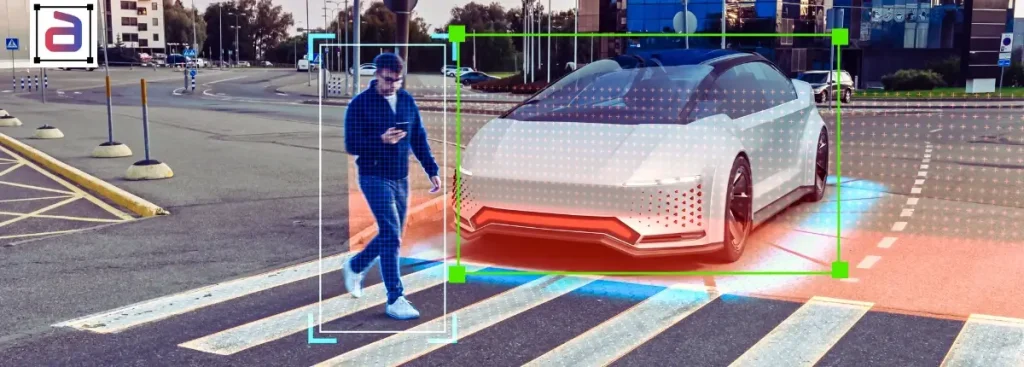
In video-based computer vision systems, speed is not a luxury—it’s a requirement. Learn more about aerial imagery annotation where standard rules break down. Whether deploying models for surveillance, retail analytics, autonomous systems, or industrial monitoring, object detection must work accurately and consistently across thousands or millions of video frames. Video bounding box annotation involves tracking […]
The Role of Polylines in Autonomous Navigation
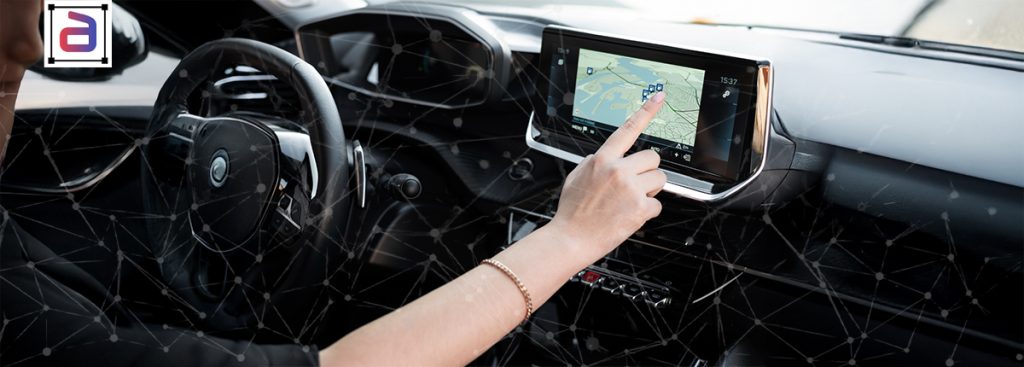
Key Points Polyline annotation for autonomous navigation must capture the navigable path boundaries with enough precision that the AI trajectory planner can compute safe, feasible paths within the annotated corridor. Navigation polyline annotation must distinguish between hard boundaries. The image-level line segment version is in line segment detection services. — kerbs, walls, barriers — and […]
How to Annotate a Video for Machine Learning: Step-by-Step

Video data sits at the heart of today. For robotics programs fusing video with LiDAR and IMU, multi-sensor fusion annotation for robotics handles synchronized labeling.’s most advanced AI systems. From autonomous vehicles and smart surveillance to retail analytics and industrial automation, machines are increasingly expected to understand not just what appears in an image—but how […]
Video Annotation vs Image Annotation: Key Differences and Why Motion Matters
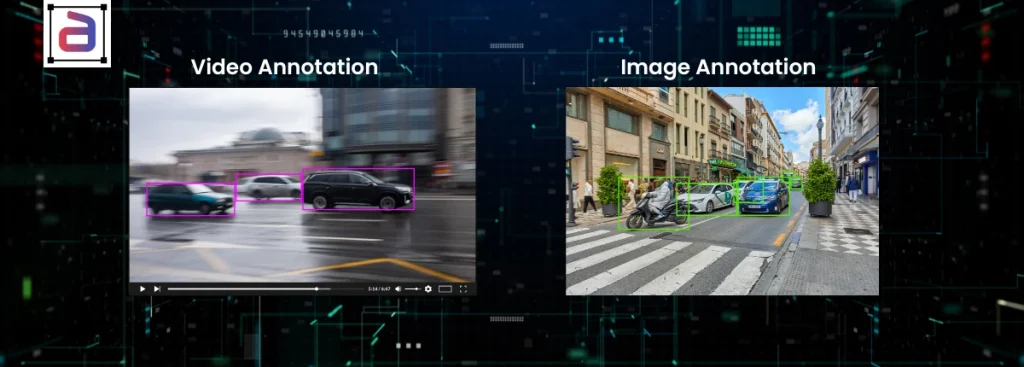
For teams building production-grade computer vision systems, choosing between video annotation and image annotation is not a matter of preference—it is a strategic decision that influences model architecture, labeling workflows, quality assurance, and overall project costs. Teams that choose video annotation also need to understand its specific challenges and how to manage them — see […]
Mastering Video Annotation: Key Challenges and Proven Best Practices
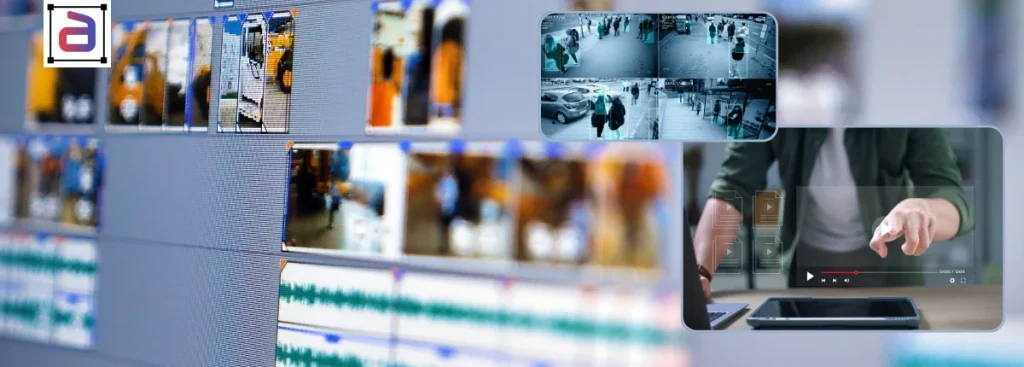
Video is the richest sensor for many modern AI systems — from autonomous vehicles and smart surveillance to retail analytics and AR/VR experiences. But turning raw footage into reliable training data is one of the hardest parts of building robust models. In this guide, we unpack the common pitfalls teams face with video annotation and […]
Video Annotation 101: Why Motion Matters More Than a Million Images

In the rapidly evolving world of Artificial Intelligence and Computer Vision, data is the bedrock of innovation. For years, static image annotation has been the foundational process, meticulously labeling objects within a single frame to teach models what to “see.” Video annotation for AI moves from simple detection to complex, real-time decision-making. We are quickly […]
Video Annotation for Sports Analytics: From Frame-by-Frame Labeling To Winning Strategies

In the high-stakes world of sports, victory is measured in milliseconds, and the difference between a win and a loss can come down to a single, subtle movement. For decades, coaches and analysts have relied on video footage to dissect game performance, but this has always been a time-consuming, manual process. But nowadays, video annotation […]
From Raw Footage to Actionable Insights: The Art Of Video Annotation For Computer Vision

Computer vision is one of AI’s most impactful frontiers. From autonomous vehicles and cashier-less checkout to medical imaging and smart surveillance, it is changing how machines interact with the physical world. But none of these applications work without one often-overlooked step: video annotation. Learn more about egocentric video annotation for wearable AI devices. For robotics […]