Artificial intelligence has made remarkable progress in many areas, but it still struggles with edge cases — unusual, rare, or ambiguous situations that fall outside its training data. In these moments, human judgment in AI becomes essential for safety, accuracy, and fairness.
Key Points
- Edge cases are disproportionately responsible for AI safety incidents: the 1% of scenarios not well covered in training data produce a disproportionate share of the errors that matter most in deployment.
- Human judgment for AI edge cases requires annotators who understand the deployment context well enough to determine the correct label when the data falls outside the patterns the AI was trained on.
- Annotation programs that curate edge cases deliberately — by identifying failure modes and collecting targeted examples — produce AI systems more robust to real-world anomalies than programs that rely on natural edge case distribution in collected data.
- The value of human judgment in AI increases as AI capability increases: more capable AI handles more cases automatically, concentrating the remaining human decisions on increasingly difficult edge cases where human judgment is most critical.
Table of Contents
What Are Edge Cases in AI?
Edge cases are rare, unexpected, or complex situations that AI models often fail to handle correctly because they differ significantly from the data they were trained on. While AI excels at routine tasks, it can become unreliable or make serious mistakes when faced with the unusual.
Common examples include:
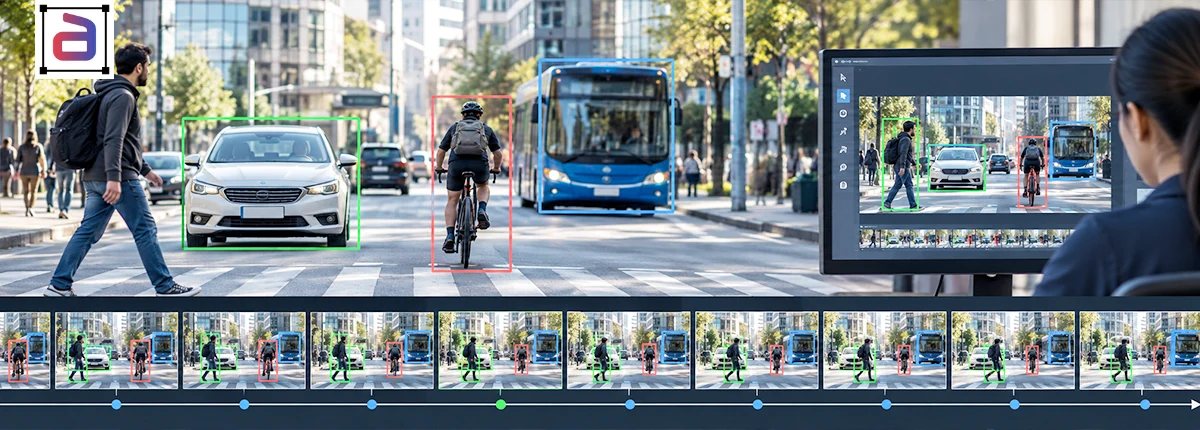
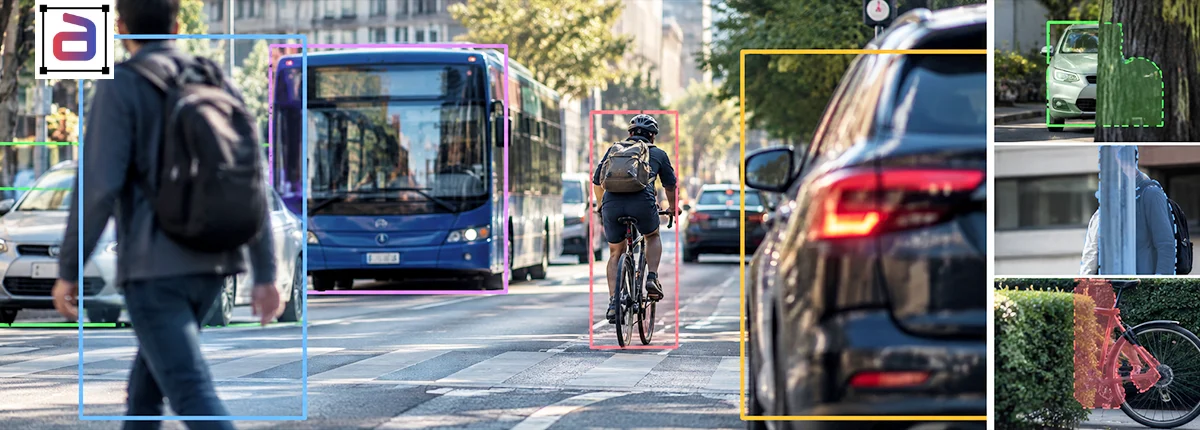
- A self-driving car encountering a parade blocking the road or unusual road construction.
- A medical AI facing a rare disease pattern it has rarely seen.
- Sarcastic or highly nuanced text in customer reviews or social media.
- Noisy audio with overlapping voices, strong accents, or poor quality.
Why Human Judgment Remains Critical
Humans bring unique strengths that AI cannot fully replicate, especially in ambiguous or high-stakes situations:
- Contextual Understanding — Reading sarcasm, tone, cultural nuances, or intent that words alone don’t convey.
- Ethical Reasoning — Weighing moral implications and choosing caution when needed.
- Bias Detection — Spotting when AI makes unfair assumptions due to unbalanced training data.
- Adaptability — Quickly adjusting to completely new or unpredictable scenarios.
Real-World Examples Across Industries
- Autonomous Vehicles: Human annotators label rare scenarios like emergency vehicles in odd positions, sudden weather changes, or unusual obstacles to improve model safety.
- Healthcare: Radiologists review AI-flagged scans for rare conditions, reducing dangerous false negatives.
- Voice Assistants & NLP: Humans correct transcriptions involving sarcasm, overlapping speech, or complex emotions.
- Customer Experience: Human reviewers identify nuanced sentiment that pure AI sentiment analysis often misclassifies.
The Role of Human-in-the-Loop (HITL) Systems
The most effective approach today is combining AI with human oversight through Human-in-the-Loop workflows. In these systems:
- AI handles high-volume, routine cases
- Humans focus on uncertain, ambiguous, or high-risk edge cases
- Feedback from humans continuously improves the model over time
Conclusion
Edge cases reveal the current limitations of AI and highlight why human judgment remains indispensable. The future of reliable AI lies in thoughtful collaboration between machines and humans — not in replacing people, but in leveraging human insight where it matters most.
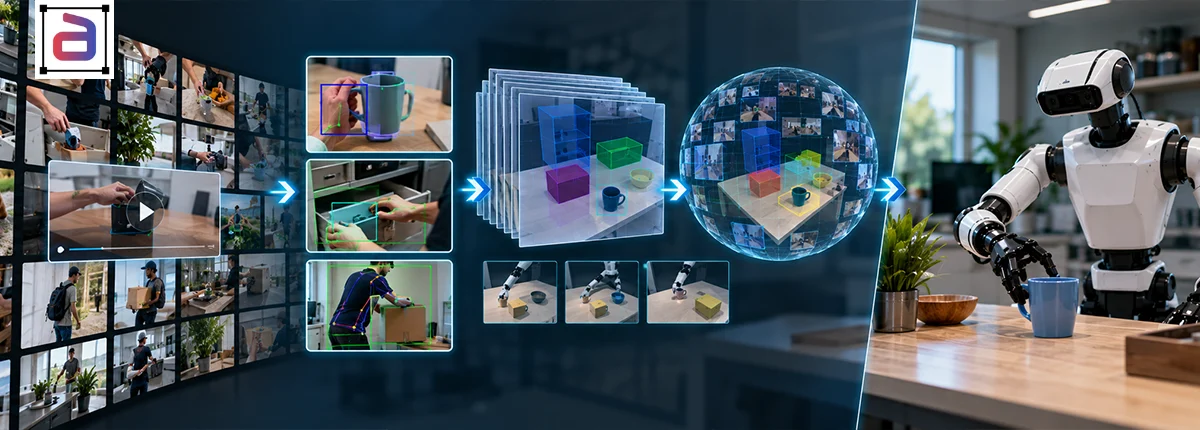
This is exactly the kind of edge-case judgment our Watcher & Resolver teams exercise in real time — see it in action in our robot & AV operations case study.
If you’re developing AI systems and need expert support for handling edge cases through high-quality data annotation and human-in-the-loop processes, feel free to reach out to Annotera.
Want AI that truly understands human context? Annotera provides specialist human annotation services for RLHF, content moderation, and complex judgment tasks. Get a free pilot.
A closely related read: Navigating The ‘Annotation Dilemma’: When To Outsource vs. In-House.
A closely related read: The Rise Of LLM Annotation: Beyond Sentiment Analysis To Reasoning And Safety.
A closely related read: human preference data