
The Future of Biomechanics in Artificial Intelligence

At its core, biomechanics sits at the intersection of human movement science and artificial intelligence. As AI systems become increasingly capable of understanding motion, posture, and force, they rely more heavily on structured representations of the human body. Within this evolution, skeletal labeling techniques provide the foundation for training machines to model how biological systems […]
Organizing Visual Content with Image Classification

As organizations generate and manage growing volumes of visual assets, finding, retrieving, and governing this content becomes increasingly complex. To address this challenge, image categorization services provide a scalable way to classify, organize, and manage visual content consistently across large repositories. By applying image categorization services early in the content lifecycle, enterprises ensure that visual […]
3D Annotation for Robotic Navigation: What AI Models Actually Need
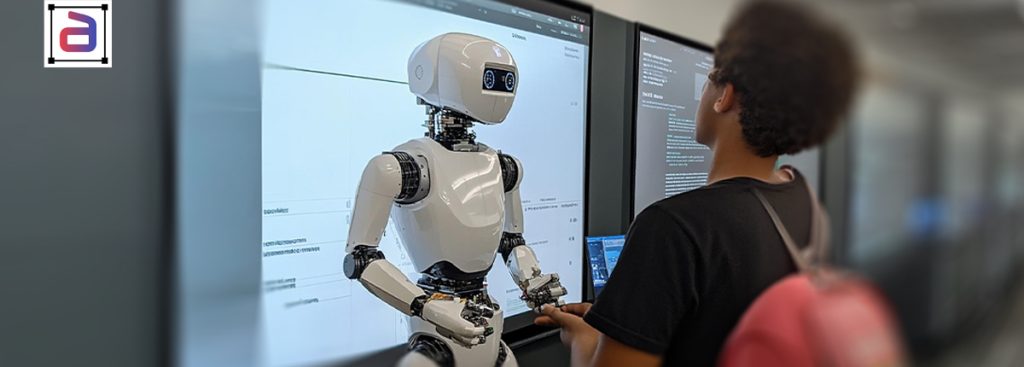
3D annotation for robotic navigation teaches AI models what the physical world looks like in three dimensions — and it is the foundational requirement for deploying navigation-capable robots in real-world environments. As autonomous systems move from controlled pilots into live warehouses, hospital corridors, and factory floors, the quality of their spatial understanding comes directly from […]
Depth Perception: The Role of 3D Cuboids in AI
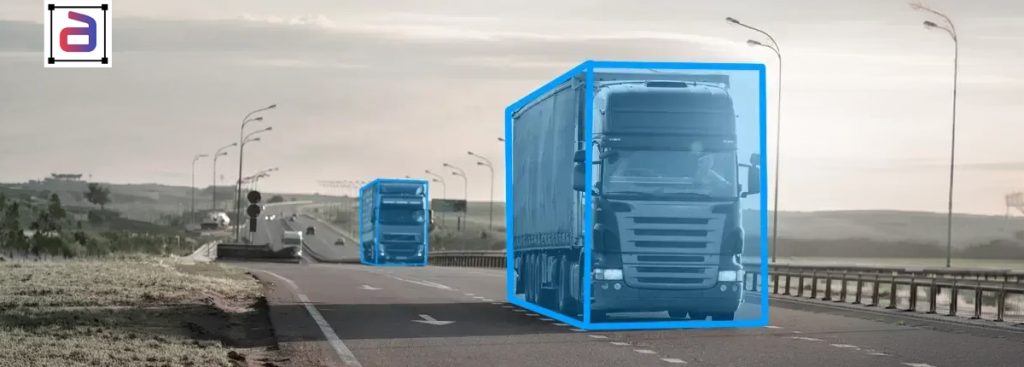
3D cuboid annotation services play a central role in helping AI systems understand depth, distance, and spatial orientation in visual environments. As robotics and intelligent machines move beyond flat image interpretation, the ability to perceive the Z-axis becomes essential. 3D cuboids provide this depth-aware context by extending traditional bounding boxes into three-dimensional space. Learn more […]
3D Cuboid Annotation for Augmented Reality Assets
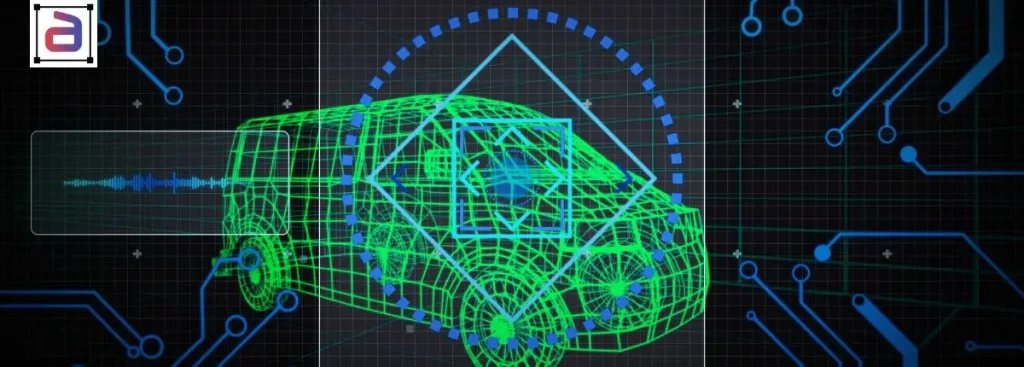
3D cuboids for AR are essential for creating augmented reality experiences that feel spatially accurate and visually convincing. As AR applications expand across retail, gaming, training, and industrial visualization, digital content must align precisely with the physical world. 3D cuboid annotation provides the depth, scale, and orientation data required to anchor virtual assets in real […]
Accelerating Product Detection with Bounding Boxes
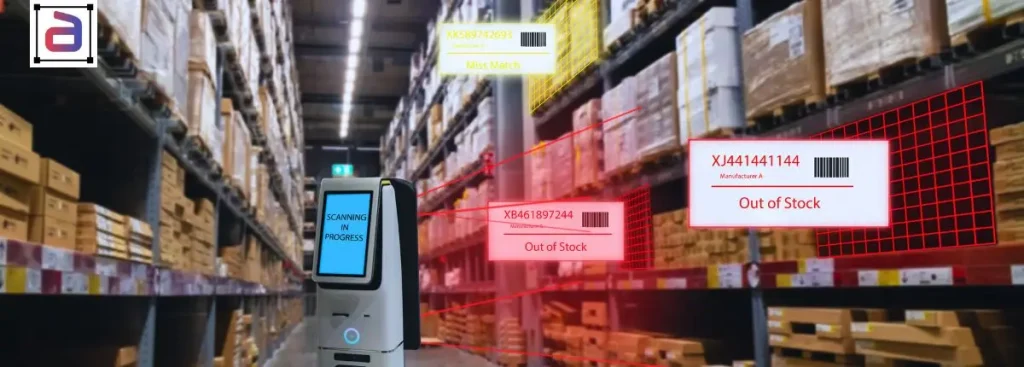
2D bounding boxes are the backbone of product detection in e-commerce. They train AI models to find, identify, and classify products in images automatically. This powers everything from visual search to shelf monitoring to catalog automation. Learn more about bounding box precision and its impact on detection accuracy. For e-commerce developers, bounding boxes provide the […]
Quality Control for High-Volume Bounding Box Projects

When a bounding box project grows from 10,000 images to 500,000 or several million, quality control cannot simply mean reviewing more annotations. The QA system itself has to change. For product detection bounding box programs specifically, the annotation and QA requirements are covered in 2D bounding box services for product detection. At high volume, the […]
3D Cuboid Orientation Annotation: Defining Accurate Yaw Ground Truth
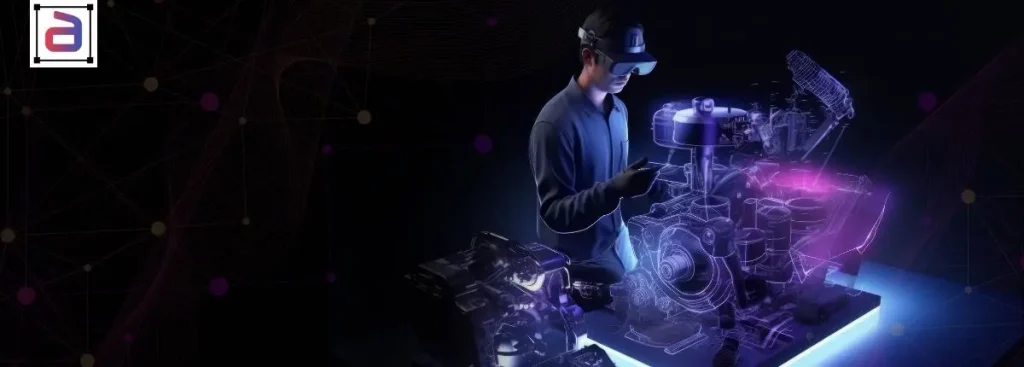
A 3D cuboid can have the correct center, width, length, and height and still represent an object incorrectly if its orientation is wrong. The difficulty is that 3D cuboid orientation annotation is not defined by one universal yaw convention. Camera datasets, LiDAR datasets, robotics systems, and autonomous-driving frameworks can use different coordinate axes, reference directions, […]
Scaling Retail Inventory Accuracy With Computer Vision And Image Annotation

Image bounding box services are increasingly central to how large retailers maintain inventory accuracy across omnichannel environments. In an era of rapidly rising fulfillment expectations, shrinking margins, and complex supply chains, traditional inventory-tracking methods struggle to keep pace. As retailers scale across physical stores, warehouses. The product-detection annotation that underpins retail computer vision is covered […]
Bounding Boxes: The Foundation of Object Recognition
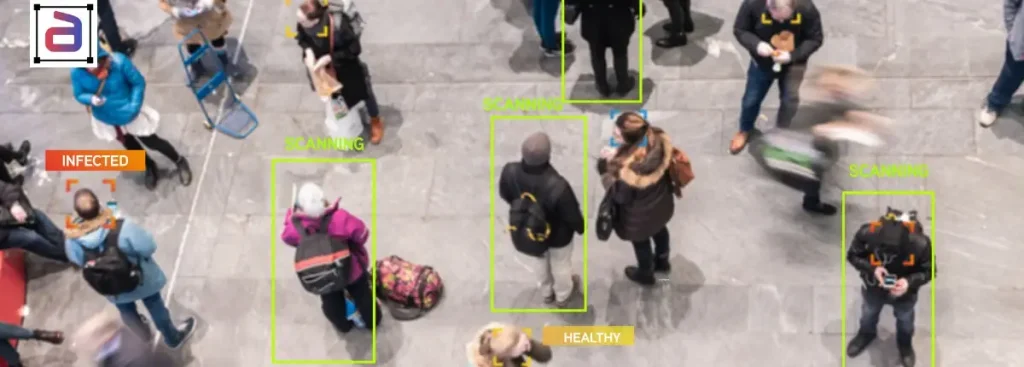
A strong object recognition model begins with high-quality labeled data, and for most computer vision teams, that journey starts with a bounding box annotation guide. Bounding boxes provide the simplest and most effective way for machines to learn how to identify objects For a complete guide to annotation types including bounding boxes, see the complete […]