
World Model Data Curation: Preparing Training Data for the Next Generation of AI Agents

Artificial intelligence is evolving beyond systems that classify images or generate text. The next generation of AI is being built around world models—advanced systems capable of understanding, reasoning about, and interacting with dynamic environments. These models enable AI agents to predict outcomes, plan actions, and make intelligent decisions based on contextual understanding rather than isolated […]
Human-in-the-Loop Safety Testing for Generative AI: Beyond Traditional Red Teaming

Generative AI has crossed a critical threshold. Enterprises are no longer experimenting with large language models (LLMs); they are embedding them into customer experiences, healthcare workflows, legal operations, software development pipelines, financial services, and decision-making systems. Yet, as generative AI becomes increasingly autonomous, organizations face an uncomfortable reality: How do you know your AI system […]
Training Multimodal LLMs: The Growing Need for Text, Image, Audio, and Video Alignment Annotation
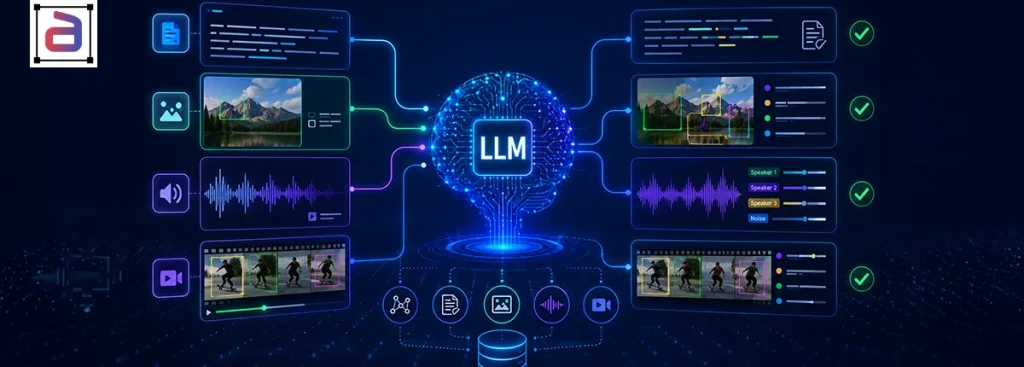
Artificial intelligence is entering a new era—one where machines are expected to see, hear, read, and reason much like humans do. From AI assistants capable of interpreting screenshots and spoken instructions to autonomous systems navigating dynamic environments, the next generation of intelligence will be inherently multimodal. Yet, while multimodal large language models (MLLMs) continue to […]
The Hidden Cost of Hallucinations: Why Ground-Truth Datasets Are the Missing Link for Enterprise LLMs

Enterprise leaders are racing to operationalize Generative AI. From knowledge assistants and contract analysis to customer service automation and internal copilots, Large Language Models (LLMs) are rapidly moving from experimentation into mission-critical workflows. Datasets for Enterprise LLMs are the foundation of trustworthy generative AI. By providing human-validated, domain-specific knowledge, these ground-truth datasets help enterprises reduce […]
AI Agent Evaluation Frameworks: How Human Annotators Measure Autonomous Agent Performance

AI agents are no longer experimental prototypes confined to research labs. They are scheduling meetings, triaging customer inquiries, writing production code, executing business workflows, and making decisions that directly impact business outcomes. The challenge facing enterprises today is no longer whether AI agents can act autonomously—it is determining when they can be trusted to do […]
Multilingual RLHF: Training LLMs That Perform Consistently Across Languages

As large language models move from experimental pilots to enterprise-grade applications, organizations face a growing challenge: ensuring AI systems behave reliably across languages, cultures, and geographies. A model that delivers safe, nuanced, and contextually accurate responses in English may struggle when interacting in Hindi, Spanish, Arabic, Japanese, or other languages. Multilingual RLHF enables large language […]
Building Enterprise RAG Systems: Why Knowledge Base Annotation Determines Retrieval Accuracy

Enterprise adoption of Generative AI has moved well beyond experimentation. Organizations are now racing to deploy intelligent assistants, internal copilots, semantic search platforms, and domain-specific knowledge agents capable of delivering accurate, contextual, and trustworthy responses. Knowledge base annotation is rapidly becoming a cornerstone of enterprise AI success. As organizations adopt Retrieval-Augmented Generation (RAG) architectures to […]
Synthetic Data vs Human Annotation for LLM Training: Where Each Delivers the Most Value

The race to build more intelligent, trustworthy, and domain-aware Large Language Models (LLMs) has shifted the industry’s focus from model architectures to something far more foundational: data quality. Today, organizations are competing not only on the sophistication of their models but on the quality of the LLM training data that powers them. As organizations scale […]
RAG Evaluation: A Complete Guide
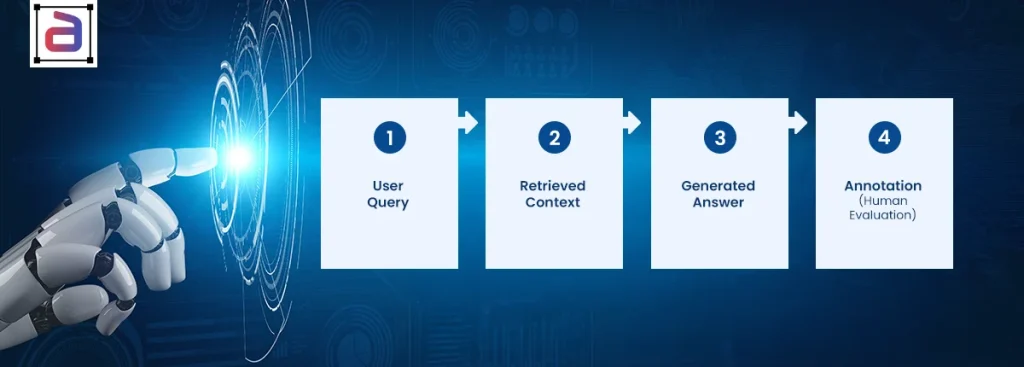
Retrieval-Augmented Generation systems combine a retriever and a generator. The retriever fetches context. The generator uses that context to produce an answer. The quality of that context depends on how the source documents were chunked — boundaries set at annotation time determine whether the retrieved segment contains the full concept the model needs. See how […]
RAG vs. Fine-Tuning: Which One Should You Choose?
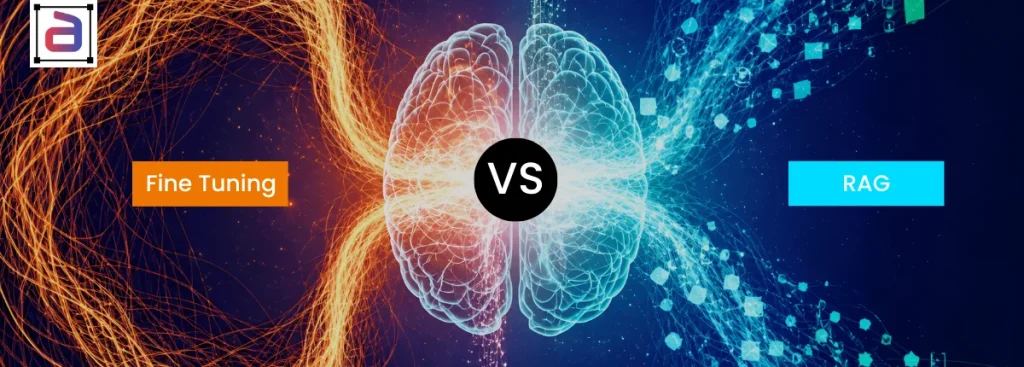
RAG is right when: your knowledge base changes frequently (product catalogs, policies, regulations), you need citations/explainability, you want fast deployment, or your budget is tight. Examples: customer support (needs up-to-date product info), regulatory compliance (rules change), internal knowledge bases (constantly updated). When Fine-Tuning Works Best Fine-tuning upfront costs: High-quality training data annotation (labelling hundreds to […]