
Call Center Audio Annotation: Turning Customer Conversations into Structured Training Data
Every customer conversation tells a story—but AI only understands it when that story is structured. Millions of customer support calls take place every day, capturing everything from product feedback and billing disputes to technical issues and purchasing intent. Hidden within these conversations are insights that can improve customer experience, train conversational AI, enhance speech recognition, […]
Music and Audio Content Tagging: Metadata Annotation for Streaming and Recommendation Engines
Imagine opening your favorite music streaming app after a long day. Within seconds, you’re greeted with a playlist that perfectly matches your mood—perhaps mellow acoustic tracks for unwinding or energetic electronic beats for your workout. It feels effortless, almost intuitive. But behind every personalized recommendation lies something far less glamorous yet absolutely essential: high-quality metadata […]
Noise and Audio Quality Annotation: Why “Clean” Labels Aren’t Always the Goal
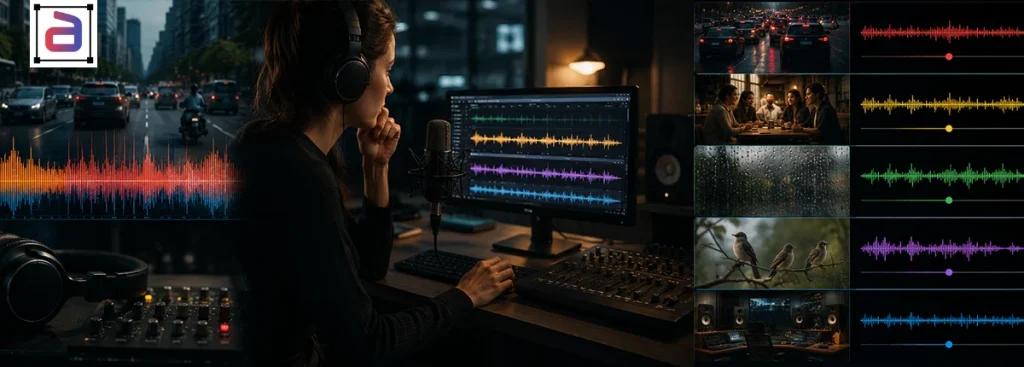
Real-world AI doesn’t operate in silence. It operates in airports, factories, hospitals, highways, and bustling call centers. The future of speech AI depends not on perfectly clean datasets—but on accurately annotated, real-world audio. Artificial intelligence has made remarkable strides in understanding human speech, yet one misconception continues to limit the performance of many AI systems: […]
Acoustic Scene Labeling for Autonomous Vehicles: Why Annotating Horns, Sirens, and Road Noise Is Critical for Safer AI
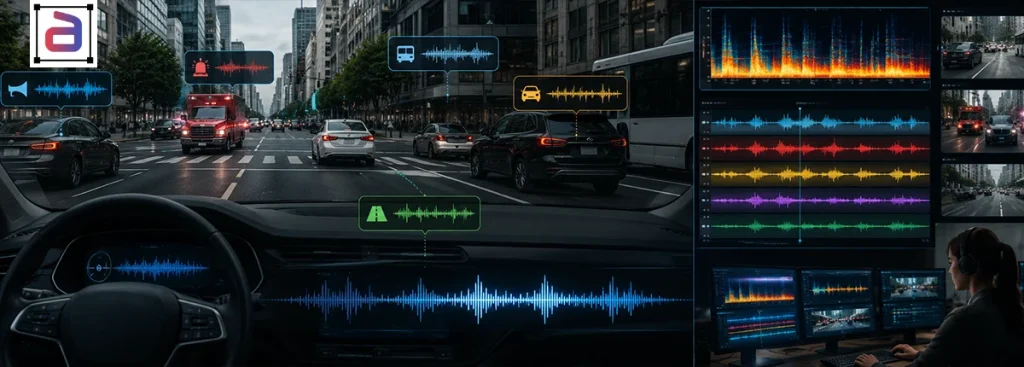
Imagine an autonomous vehicle approaching a busy city intersection. Buildings obstruct its cameras, and a delivery truck blocks its LiDAR’s field of view. Suddenly, an ambulance is approaching from behind with its siren blaring. Long before the emergency vehicle enters the camera’s frame, the sound reaches the vehicle. Can the AI understand what it hears? […]
Inside Conversational Audio Annotation: Training Data for Voice Assistants and Chatbots
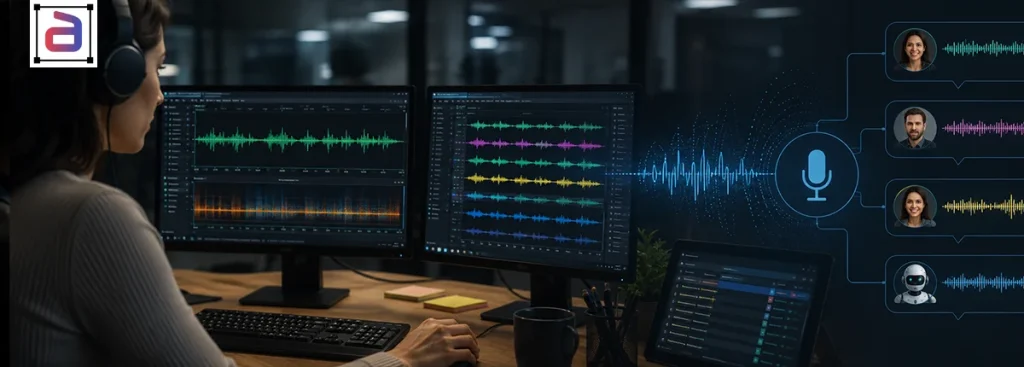
“Hey, can you move my appointment to Friday afternoon?” For a human listener, the request is straightforward. For a voice assistant, however, those few words contain multiple layers of information: speech sounds, individual words, speaker characteristics, intent, a date reference, sentence boundaries, tone, and potentially background noise. For clinical and medical settings, medical audio transcription […]
Audio Classification 101: Structuring Sound Categories for Model Training
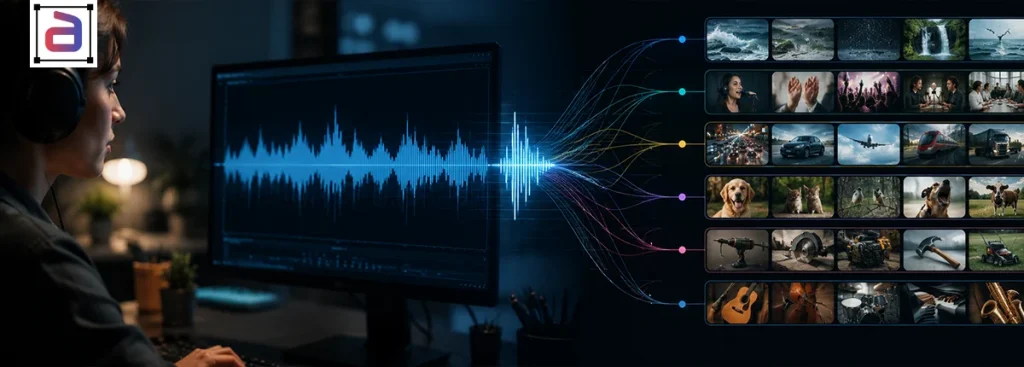
A door slams. A baby cries. An ambulance approaches in the distance. Someone speaks while music plays in the background. Humans recognize these sounds almost instantly. For an AI model, however, they begin as nothing more than complex patterns in an audio waveform. The audio classification guide for content filtering covers how content filtering programs […]
Emotion and Sentiment Tagging in Voice Data: Building Empathetic Conversational AI
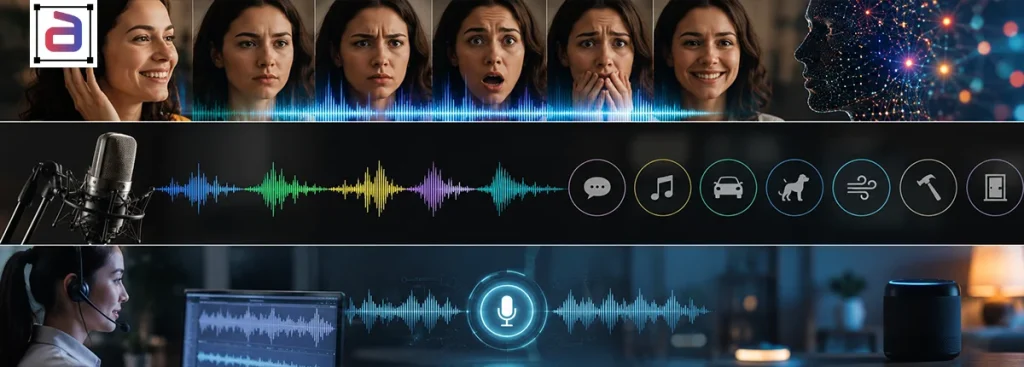
What separates a conversational AI that simply hears words from one that genuinely understands the conversation? The answer increasingly lies in recognizing the emotions behind the voice. A customer can say, “That’s fine,” while sounding frustrated, disappointed, relieved, or genuinely satisfied. A transcript captures the words, but tone, pitch, pauses — and annotating those acoustic […]
Sound Event Detection: Annotating the World Beyond Human Speech
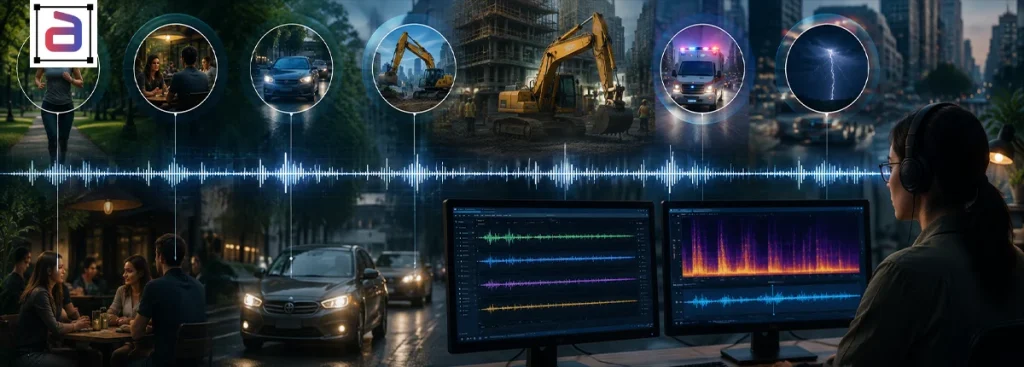
When we think about machines understanding audio, speech usually comes first. Voice assistants, automated customer support, conversational AI, and speech transcription have made spoken-language processing a major component of modern artificial intelligence. But the acoustic world contains far more information than words. A smoke alarm, breaking glass, approaching footsteps, a vehicle horn, barking dog, malfunctioning […]
Speaker Diarization Explained: Teaching AI to Tell “Who Spoke When”
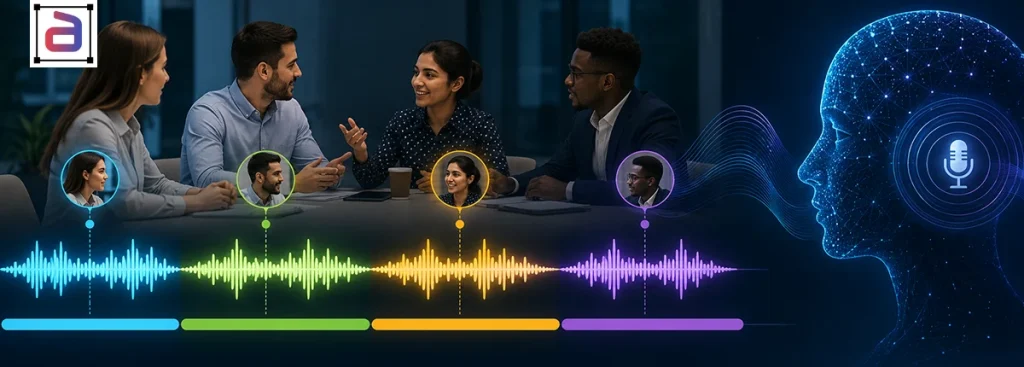
Artificial intelligence has become remarkably good at understanding what people say. The next frontier is enabling AI to understand who is speaking throughout a conversation. Whether it’s a customer support call, a virtual meeting, a legal deposition, or a healthcare consultation, identifying each speaker is critical for extracting meaningful insights. This capability is known as […]
Speech Transcription at Scale: How Multilingual Annotation Powers Global Voice AI
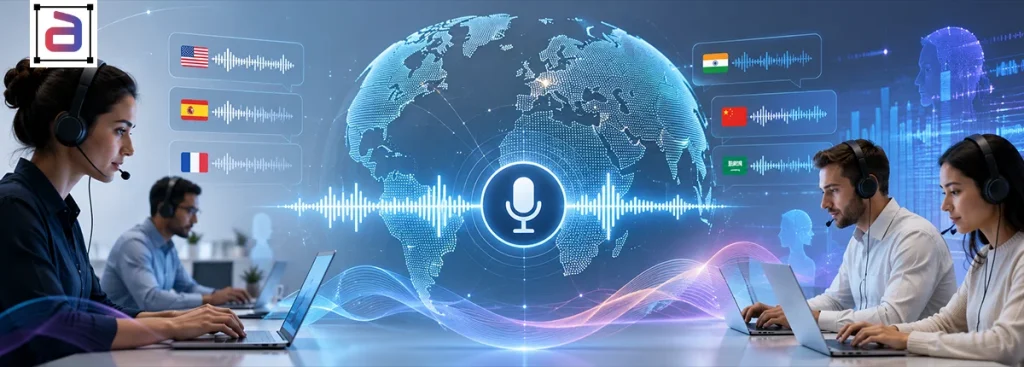
In a world where billions of people speak thousands of languages and dialects, voice AI cannot afford to understand only a select few. The future belongs to AI that listens, comprehends, and responds naturally—regardless of language, accent, or region. That future begins with high-quality speech transcription and multilingual data annotation. Dialect coverage is one of […]