
Quality Assurance Frameworks for Large-Scale Video Annotation Projects
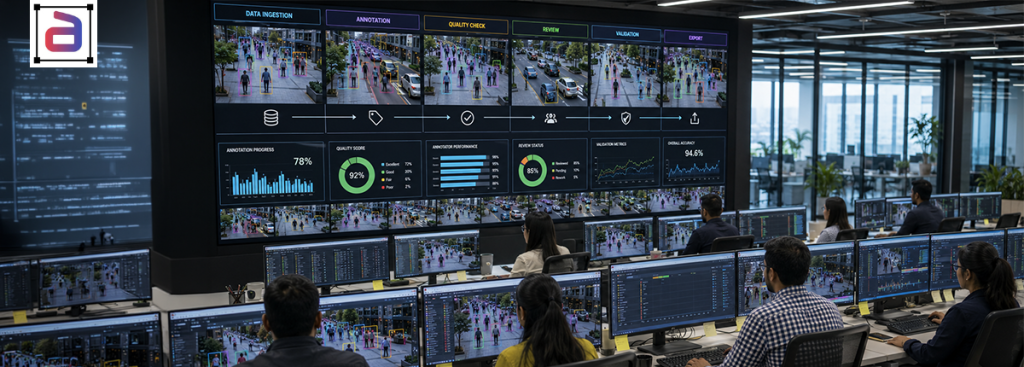
High-quality AI starts with high-quality data. Whether you’re building autonomous vehicles, intelligent surveillance systems, robotics, or sports analytics platforms, the success of your computer vision model depends on one critical factor: the accuracy and consistency of your annotated video data. However, as annotation projects scale from thousands of clips to millions of frames, maintaining consistent […]
Annotating Long-Form Video Datasets: Strategies for Enterprise AI Projects
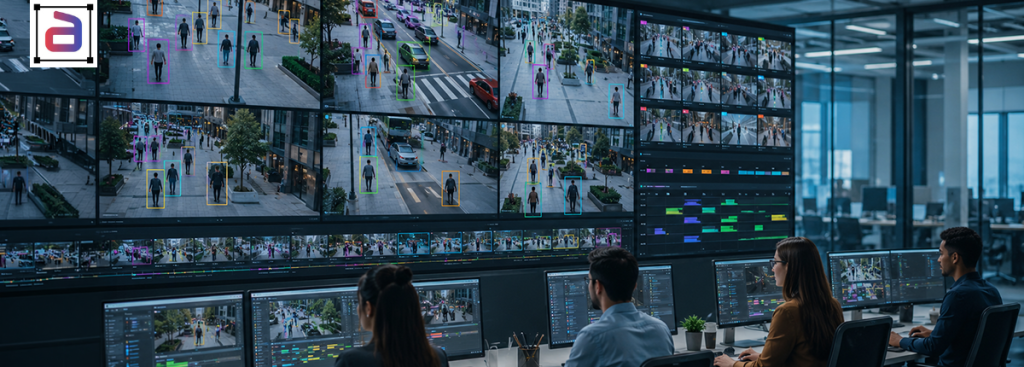
Every day, enterprises generate terabytes of video from autonomous vehicles, manufacturing lines, retail stores, smart cities, hospitals, warehouses, and surveillance networks. This wealth of visual data promises powerful AI applications—but only if machines can understand what they’re seeing. Annotating long-form video involves labeling objects, actions, and events consistently across extended video sequences. It enables AI […]
Keyframe Interpolation in Video Annotation: Reducing Costs Without Sacrificing Accuracy
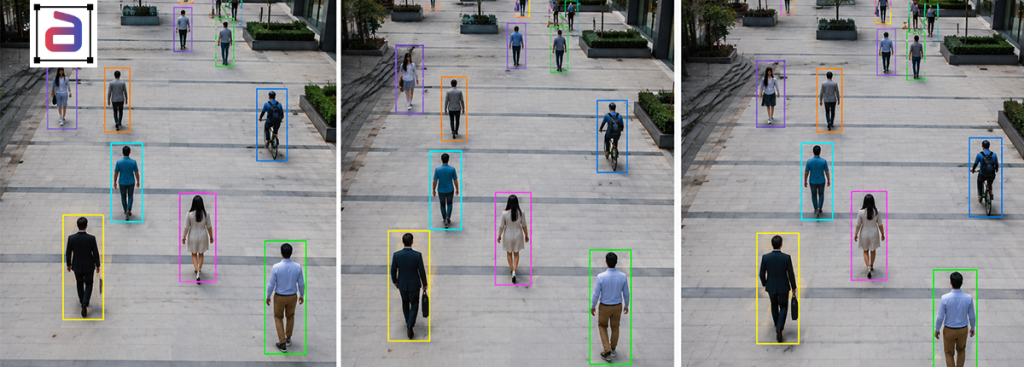
Artificial intelligence has evolved from understanding static images to interpreting dynamic, real-world scenarios captured in video. Whether it’s autonomous vehicles navigating busy intersections, surveillance systems detecting suspicious activity, or robots identifying moving objects in warehouses, today’s AI models rely heavily on high-quality video datasets. Keyframe interpolation is an intelligent video annotation technique that labels only […]
Video Annotation for Human Activity Recognition: Challenges, Solutions, and Why Data Quality Determines AI Success
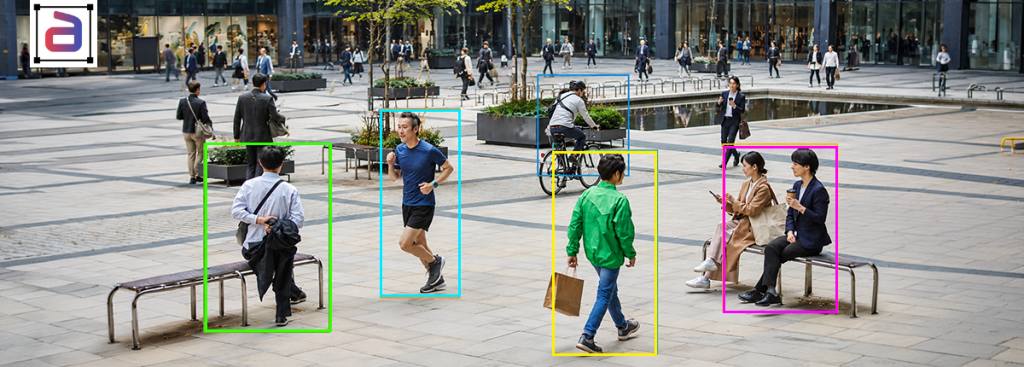
Artificial intelligence has evolved from recognizing objects to understanding human behavior. Today, AI systems can detect whether a patient has fallen, identify unsafe worker behavior, analyze athletes’ movements, monitor customer interactions in retail stores, and even help autonomous robots collaborate safely with humans. Behind these intelligent capabilities lies one essential ingredient: high-quality video annotation. Human […]
How Temporal Consistency Improves Video Annotation Quality for Computer Vision
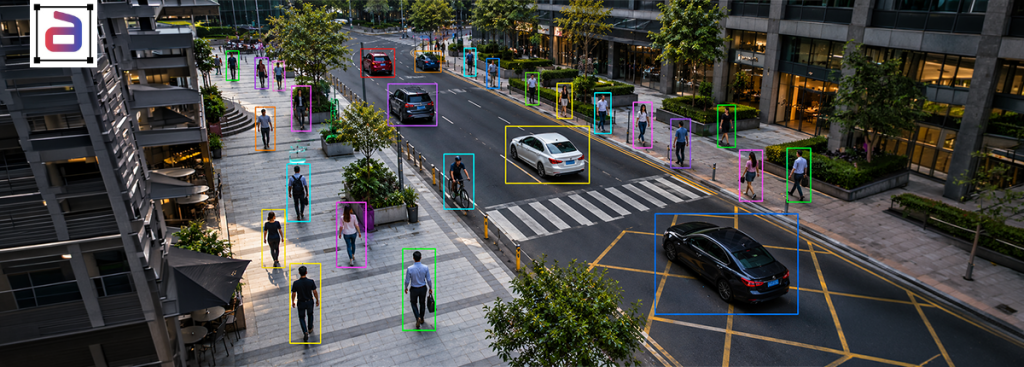
Artificial intelligence doesn’t watch the world one frame at a time—it understands motion, context, and continuity. Whether it’s an autonomous vehicle detecting pedestrians, a warehouse robot navigating obstacles, or a surveillance system tracking suspicious activity, AI must interpret events as they unfold over time. That’s precisely why temporal consistency has become one of the defining […]
Multi-Object Tracking Annotation: Best Practices for Training High-Performance AI Models
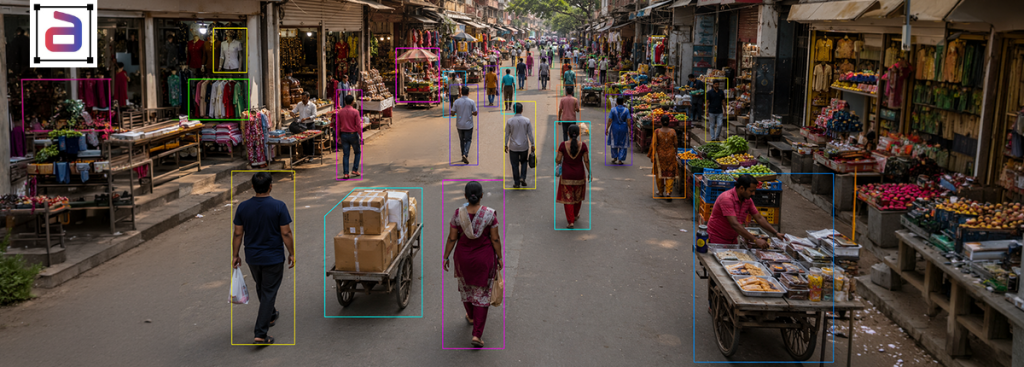
Artificial intelligence is no longer confined to recognizing a single object in an image. Today’s AI systems must understand complex, dynamic environments where dozens—or even hundreds—of objects move simultaneously. Whether it’s autonomous vehicles navigating city streets, security systems monitoring crowded public spaces, or warehouse robots coordinating inventory movement, the ability to accurately perform multi-object tracking […]
Event-Based Video Annotation for Intelligent Surveillance Systems: Powering the Next Generation of AI Security

From smart cities and transportation hubs to retail chains and industrial facilities, intelligent surveillance systems have become indispensable for protecting people, assets, and infrastructure. However, modern surveillance is no longer about recording footage—it is about understanding events in real time and enabling AI to distinguish routine activities from potential threats. This capability is made possible […]
Frame-by-Frame Video Annotation: When Manual Precision Still Beats Automation
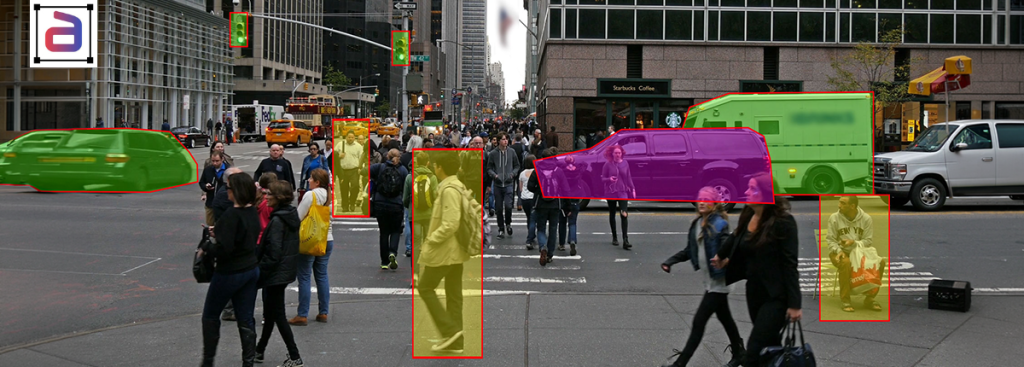
Artificial intelligence has transformed how organizations collect, process, and label visual data. AI-assisted annotation tools can now automatically detect objects, track movement, and label thousands of video frames within minutes. While these innovations have accelerated dataset creation, one reality remains unchanged: when accuracy matters most, manual frame-by-frame video annotation continues to outperform fully automated labeling. […]
Multi-Sensor Video Annotation for Autonomous Mining Equipment: Beyond the Road
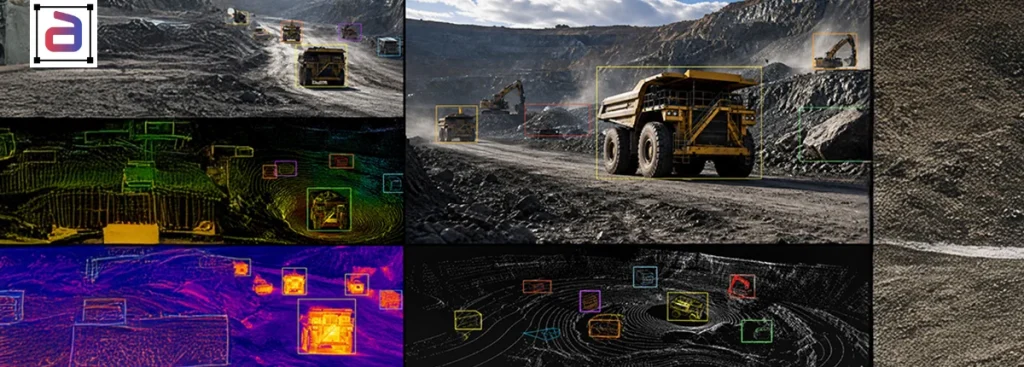
The conversation around autonomous vehicles has long been dominated by roads, highways, and urban mobility. Yet some of the most challenging—and transformative—applications of autonomy are unfolding far from city streets. Deep within open-pit mines, underground tunnels, and remote extraction sites, autonomous mining equipment is redefining operational efficiency, worker safety, and productivity. From autonomous haul trucks […]
Annotating First-Person (Egocentric) Video: Techniques for Wearable and AR/VR Applications

As wearable technologies and immersive AR/VR experiences become increasingly mainstream, the demand for intelligent systems that can understand the world from a human perspective is rapidly growing. From smart glasses and mixed-reality headsets to body-worn cameras and industrial wearables, organizations are generating massive volumes of first-person (egocentric) video data that hold immense value for AI […]