
Key Points
- Fitness AI annotation must capture exercise-specific joint alignment criteria, not just pose detection: a correct squat requires specific knee, hip, and ankle relationships that general pose models are not trained to evaluate.
- Real-time coaching AI requires annotation at video frame rates, not just at peak positions: the feedback must reflect the movement trajectory, not only whether the end position was correct.
- Fitness annotation programs must include annotators with exercise science knowledge to distinguish functionally correct movements from visually similar but biomechanically problematic variations.
- Exercise form annotation must cover the full population of users — varying body proportions, flexibility, and strength levels — not just ideal-form reference movements, to train AI that coaches real users.
Why Fitness Applications Require Skeletal Understanding
Fitness training focuses on how the body moves through space rather than how it appears. Therefore, surface-level features such as clothing or background offer limited value.
By modeling joints and limb relationships, skeletal annotation allows AI trainers to understand range of motion, symmetry, and coordination. As a result, fitness systems can deliver form-aware guidance rather than generic feedback.
What Health Skeletal Labeling Delivers
Health skeletal labeling involves annotating key joints and connecting them into a structured skeletal model. Consequently, AI systems learn how joints move relative to one another during exercises.
Because skeletal data abstracts visual noise, it provides consistent signals across lighting conditions, body types, and camera angles. Learn more about skeletal labeling for elderly patient movement analysis.
Key Use Cases in Fitness and AI Training
- Exercise Form Correction: Skeletal models enable AI trainers to detect improper posture, misalignment, and unsafe movement patterns in real time.
- Personalized Workout Feedback: By analyzing joint angles and motion trajectories, fitness apps can tailor guidance to individual users and skill levels.
- Injury Prevention and Load Management: Early detection of asymmetry or excessive joint stress helps reduce the risk of injury during training.
- Progress Tracking and Performance Analytics: Skeletal data support objective measurement of improvement across sessions, repetitions, and training phases.
Challenges in Fitness-Focused Skeletal Annotation
Fitness imagery often features fast movement, self-occlusion, and varied camera angles. Consequently, annotation requires consistent joint definitions and careful handling of ambiguous poses.
However, with standardized labeling rules and review processes, these challenges can be addressed effectively.
Why Managed Skeletal Labeling Matters for App Developers
Developing fitness AI requires reliable, scalable data. Managed health skeletal labeling provides trained annotators, standardized schemas, and quality assurance.
As a result, app development teams can iterate quickly without sacrificing movement accuracy or user trust.
How Annotera Supports Fitness AI Development
Annotera delivers health skeletal labeling through governed workflows and multi-layer quality checks. Annotation teams handle complex exercise poses while maintaining joint-level consistency across datasets.
Consequently, fitness platforms receive high-quality skeletal data, accelerating feature development and deployment. Learn more about keypoint annotation for human activity tracking.
Conclusion
Fitness and training AI depend on understanding how the body moves, not just what it looks like. Through health skeletal labeling, AI trainers gain the structural insight required to provide meaningful, personalized guidance.
For fitness app developers, skeletal annotation is a foundational capability for building intelligent, movement-aware products.
Building AI-powered fitness or training applications? Partner with Annotera for expert-managed health skeletal labeling designed for accurate movement analysis at scale.
A closely related read: Annotating Video for Healthcare AI: Surgical Workflow Recognition and Patient Monitoring Use Cases.
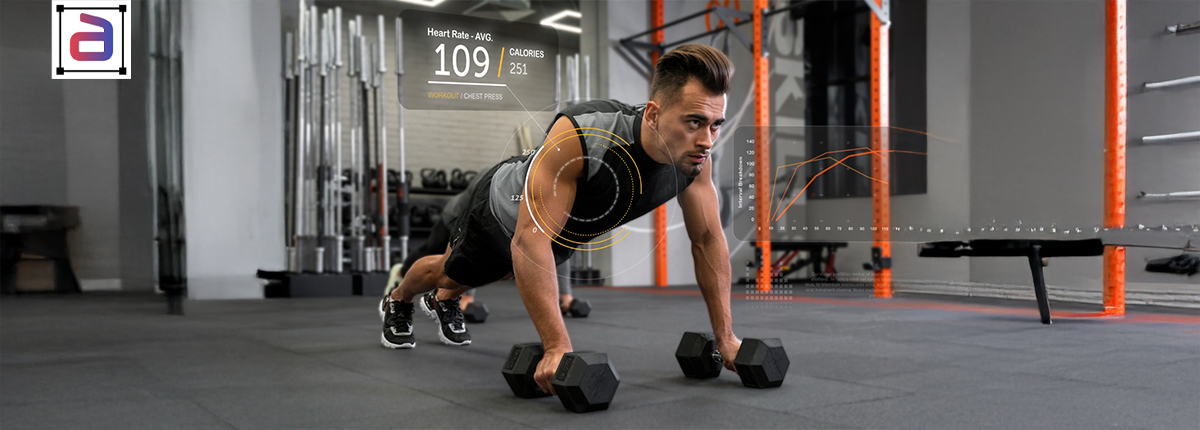
Digital fitness platforms increasingly rely on computer vision to analyze movement, provide real-time feedback, and personalize training experiences. While sensors and wearables add value, accurate visual understanding of the human body remains central to effective coaching. In this context, health skeletal labeling enables AI systems to interpret posture, joint alignment, and exercise form with precision. Learn more about industrial hand tracking with keypoint annotation.
For app developers building fitness and training solutions, skeletal annotation transforms raw imagery into actionable movement intelligence to support safer, more effective workouts.
Table of Contents
Key Points
- Fitness AI annotation must capture exercise-specific joint alignment criteria, not just pose detection: a correct squat requires specific knee, hip, and ankle relationships that general pose models are not trained to evaluate.
- Real-time coaching AI requires annotation at video frame rates, not just at peak positions: the feedback must reflect the movement trajectory, not only whether the end position was correct.
- Fitness annotation programs must include annotators with exercise science knowledge to distinguish functionally correct movements from visually similar but biomechanically problematic variations.
- Exercise form annotation must cover the full population of users — varying body proportions, flexibility, and strength levels — not just ideal-form reference movements, to train AI that coaches real users.
Why Fitness Applications Require Skeletal Understanding
Fitness training focuses on how the body moves through space rather than how it appears. Therefore, surface-level features such as clothing or background offer limited value.
By modeling joints and limb relationships, skeletal annotation allows AI trainers to understand range of motion, symmetry, and coordination. As a result, fitness systems can deliver form-aware guidance rather than generic feedback.
What Health Skeletal Labeling Delivers
Health skeletal labeling involves annotating key joints and connecting them into a structured skeletal model. Consequently, AI systems learn how joints move relative to one another during exercises.
Because skeletal data abstracts visual noise, it provides consistent signals across lighting conditions, body types, and camera angles. Learn more about skeletal labeling for elderly patient movement analysis.
Key Use Cases in Fitness and AI Training
- Exercise Form Correction: Skeletal models enable AI trainers to detect improper posture, misalignment, and unsafe movement patterns in real time.
- Personalized Workout Feedback: By analyzing joint angles and motion trajectories, fitness apps can tailor guidance to individual users and skill levels.
- Injury Prevention and Load Management: Early detection of asymmetry or excessive joint stress helps reduce the risk of injury during training.
- Progress Tracking and Performance Analytics: Skeletal data support objective measurement of improvement across sessions, repetitions, and training phases.
Challenges in Fitness-Focused Skeletal Annotation
Fitness imagery often features fast movement, self-occlusion, and varied camera angles. Consequently, annotation requires consistent joint definitions and careful handling of ambiguous poses.
However, with standardized labeling rules and review processes, these challenges can be addressed effectively.
Why Managed Skeletal Labeling Matters for App Developers
Developing fitness AI requires reliable, scalable data. Managed health skeletal labeling provides trained annotators, standardized schemas, and quality assurance.
As a result, app development teams can iterate quickly without sacrificing movement accuracy or user trust.
How Annotera Supports Fitness AI Development
Annotera delivers health skeletal labeling through governed workflows and multi-layer quality checks. Annotation teams handle complex exercise poses while maintaining joint-level consistency across datasets.
Consequently, fitness platforms receive high-quality skeletal data, accelerating feature development and deployment. Learn more about keypoint annotation for human activity tracking.
Conclusion
Fitness and training AI depend on understanding how the body moves, not just what it looks like. Through health skeletal labeling, AI trainers gain the structural insight required to provide meaningful, personalized guidance.
For fitness app developers, skeletal annotation is a foundational capability for building intelligent, movement-aware products.
Building AI-powered fitness or training applications? Partner with Annotera for expert-managed health skeletal labeling designed for accurate movement analysis at scale.
A closely related read: Annotating Video for Healthcare AI: Surgical Workflow Recognition and Patient Monitoring Use Cases.