
Annotating Camera Cuts and Scene Transitions for Smarter Video Understanding Models
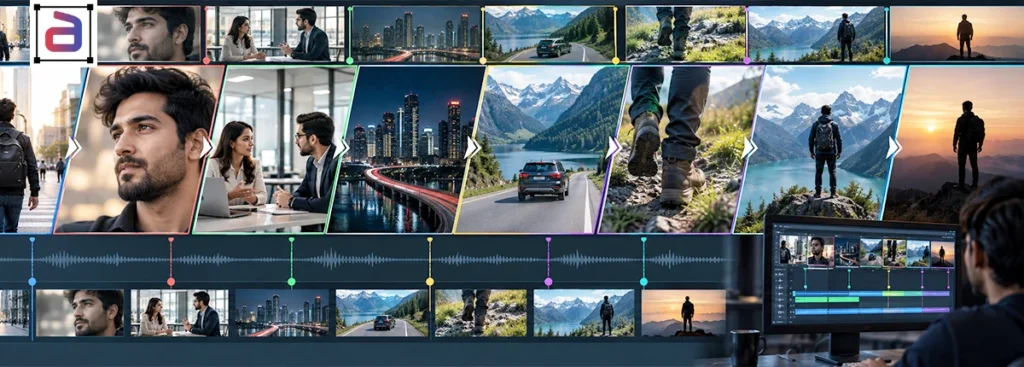
Video AI is moving beyond simple object detection. Today’s intelligent video understanding models are expected to recognize activities, interpret context, follow events over time, and understand how one scene relates to another. To achieve this level of intelligence, models need training data that captures not only what appears in a video but also how the […]
How Video Annotation Supports Workplace Safety AI and PPE Compliance Detection
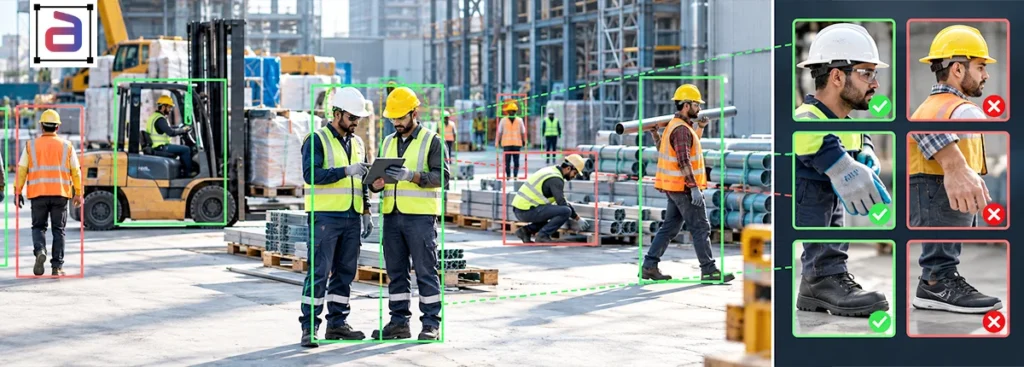
Workplace safety is moving beyond checklists, periodic inspections, and reactive incident reporting. As industrial environments become increasingly connected, AI-powered video analytics is helping organizations identify safety risks, monitor compliance, and create safer working conditions in real time. One of the most practical applications is PPE compliance detection. Computer vision models can analyze video streams to […]
Video Annotation for Crowd Analysis: Labeling People, Density, and Movement Patterns at Scale
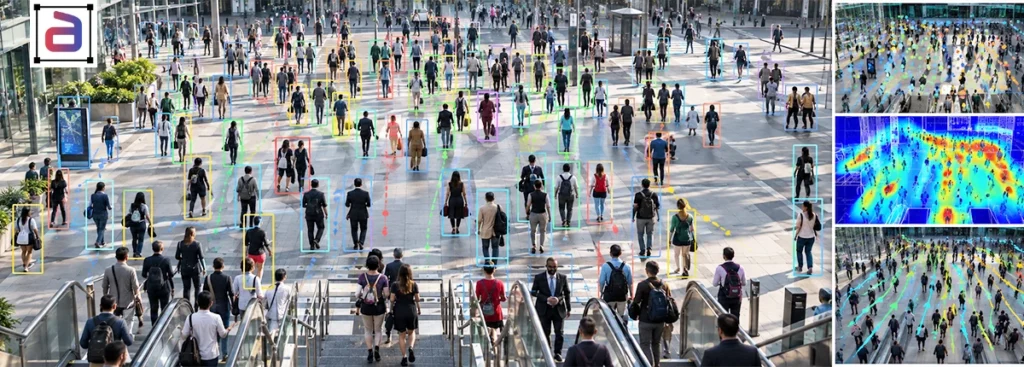
Crowds are constantly moving, interacting, dispersing, and regrouping. For AI-powered video analytics, understanding these dynamics requires far more than simply detecting people in individual frames. Computer vision models need structured data that explains who is present, where they are, how densely they are grouped, and how they move over time. This is where video annotation […]
Training AI to Recognize Fine-Grained Human Movements with Video Keypoint Annotation
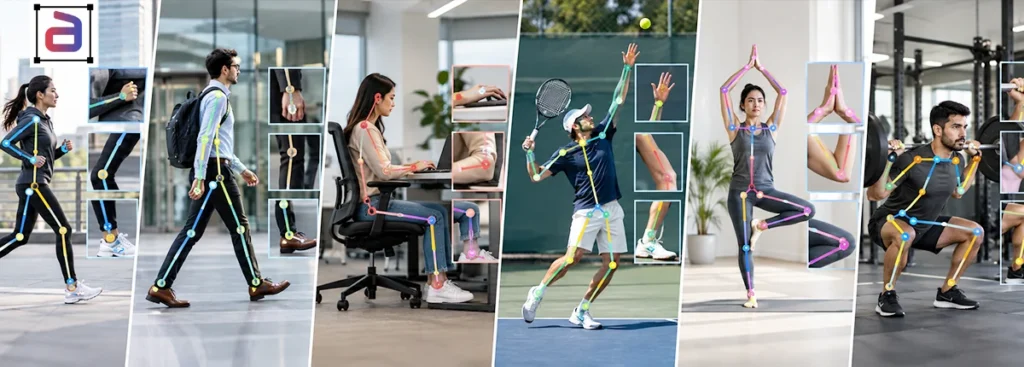
Artificial intelligence is moving beyond simply identifying people in videos. Modern computer vision systems are increasingly expected to understand what people are doing, how they are moving, and how those movements change over time. From analyzing an athlete’s technique to monitoring rehabilitation exercises, recognizing gestures, and enabling human-robot interaction, AI needs highly detailed visual data […]
Beyond Tracking: How Video Object Identity Labels Improve Long-Sequence AI Training
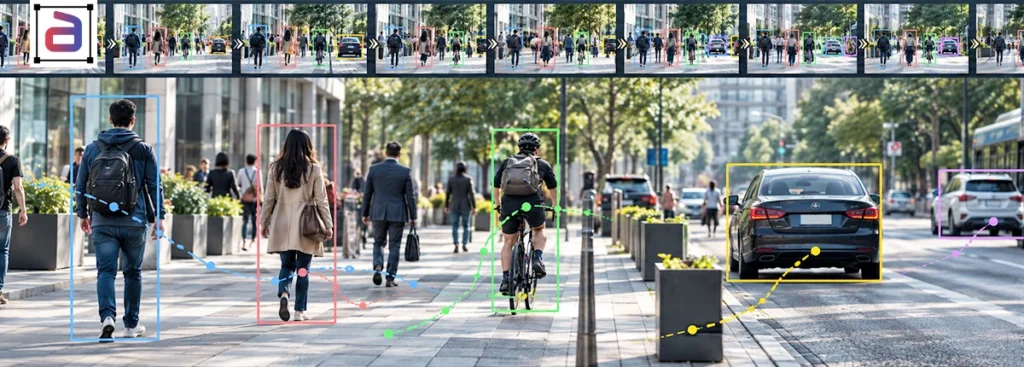
A video is not simply a collection of individual frames. For AI systems, the real value often lies in understanding what changes between frames and whether the same object remains present throughout a sequence. Consider a pedestrian crossing a road, a vehicle changing lanes, or a warehouse robot moving around workers and equipment. An AI […]
Audio-Video Sync Annotation: Creating Time-Aligned Data for Multimodal AI Models
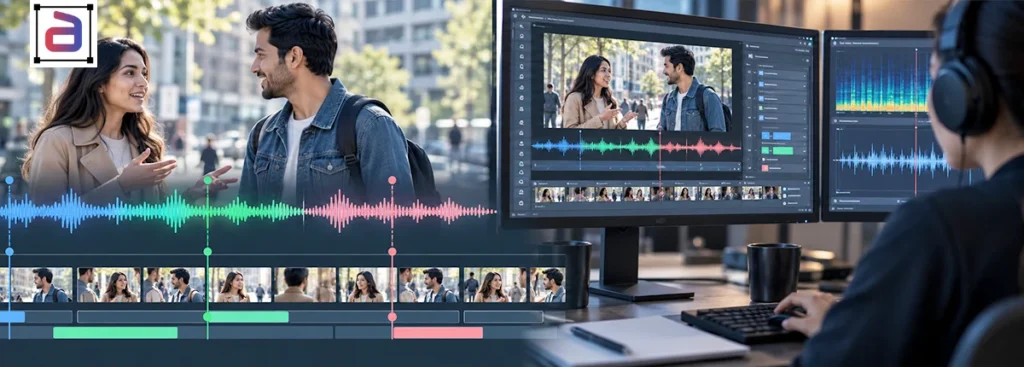
Artificial intelligence is moving beyond systems that understand a single type of data. Modern AI models increasingly need to interpret speech, video, sound, gestures, objects, facial expressions, and environmental context simultaneously. This shift toward multimodal AI is creating a new challenge for organizations: collecting and preparing datasets in which different data streams are accurately connected […]
Frame-Level Validation in Video Annotation: Building Reliable Training Data for Computer Vision
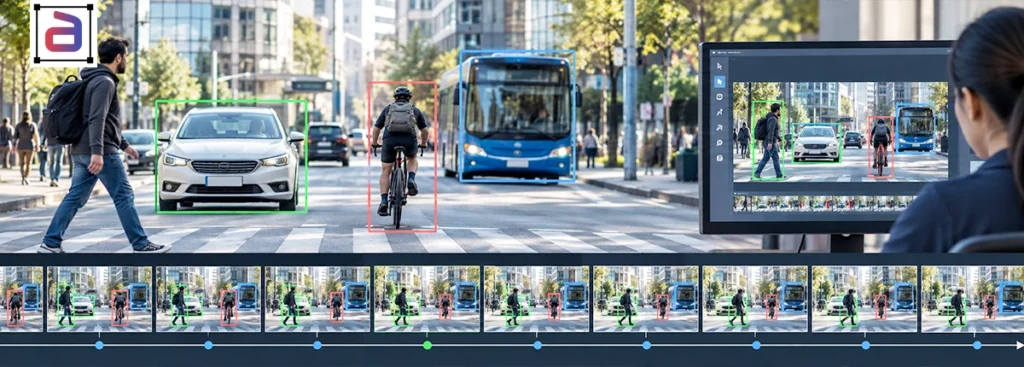
Computer vision models are only as dependable as the training data behind them. A video dataset may contain thousands or millions of frames, but volume alone does not guarantee quality. Missing objects, inaccurate bounding boxes, inconsistent labels, broken tracking IDs, and poorly handled occlusions can introduce noise into the training pipeline and ultimately affect model […]
How Occlusion and Visibility Labels Help AI Understand Partially Hidden Objects in Video
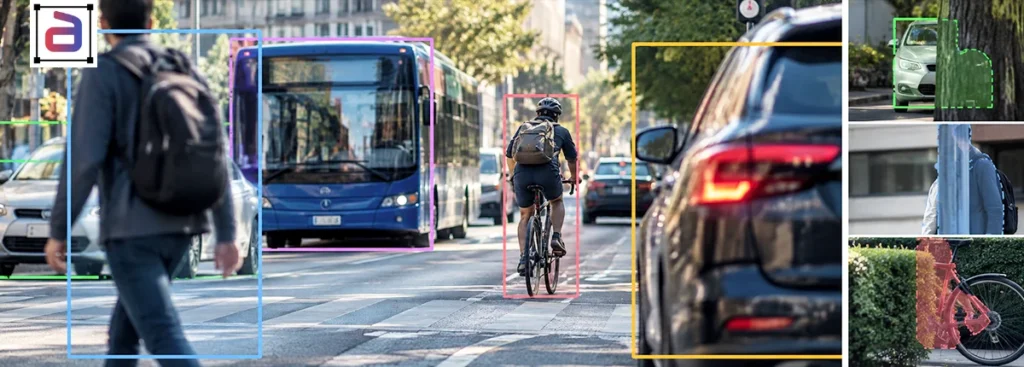
Artificial intelligence can recognize a car, pedestrian, cyclist, or product when it is clearly visible. The real challenge begins when that object is only partially visible. A pedestrian may disappear behind a parked vehicle. A cyclist may move behind another road user. A warehouse robot may become hidden behind a pallet. In surveillance footage, people […]
Bounding Box vs. Polygon Annotation for Video: Choosing the Right Method for Your Computer Vision Model
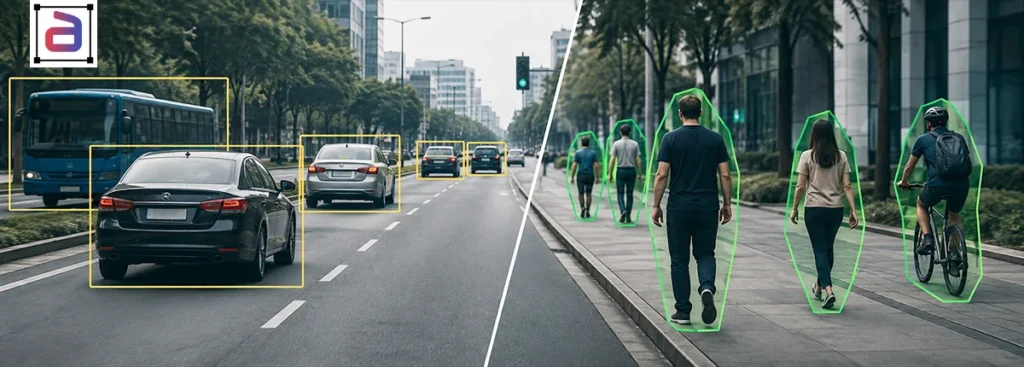
Computer vision models learn from labeled examples. In video AI, however, labeling is more demanding than annotating static images because objects move, overlap, change perspective, and may disappear and reappear across frames. Choosing the right annotation technique can therefore have a direct impact on dataset quality, project cost, and development speed. In computer vision, choosing […]
Video Annotation for Retail Loss Prevention and Smart Shelf Monitoring: A Practical Guide
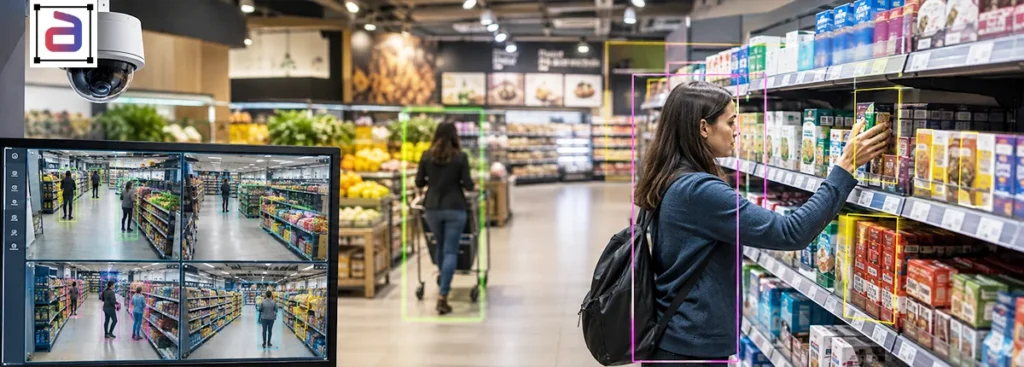
Retail is undergoing a major transformation as artificial intelligence and computer vision move from experimental technologies to practical tools for everyday store operations. From identifying suspicious activity to monitoring shelf availability, retailers are increasingly using video intelligence to improve security, inventory accuracy, and customer experience. But sophisticated AI models are only as reliable as the […]